Upcycling an old bookshelf into a custom pantry is a budget-friendly and sustainable DIY project that provides significant storage enhancement for any kitchen. This transformation typically costs less than $100 for materials like paint and hardware, compared to hundreds or thousands for new cabinetry. Bookshelves are ideal for holding heavy pantry staples due to their inherent sturdiness, and the project offers extensive customization options to match personal style and kitchen decor.
Why Upcycle a Bookshelf into a Pantry?
Repurposing an old bookshelf into a custom pantry offers a multitude of benefits, making it an increasingly popular DIY project for homeowners. The core appeal lies in its practicality and sustainability.
Maximizing Space and Sustainability
Bookshelves are inherently designed to be sturdy, capable of bearing the weight of numerous books. This makes them ideal candidates for holding heavy pantry staples like canned goods, jars, and kitchen appliances. By giving an unused or discarded bookshelf a new life, you contribute to a more sustainable lifestyle, reducing waste and embracing responsible consumption. This smart reuse of existing furniture offers significant storage enhancement without the need for extensive renovations, instantly upgrading your kitchen’s functionality.
Cost-Effectiveness
Compared to purchasing new, purpose-built pantry cabinets or undertaking a full kitchen remodel, upcycling a bookshelf is a remarkably economical option. You might already own a suitable bookshelf, or you could find one at a local thrift store, garage sale, or online marketplace for a fraction of the cost of new cabinetry. The primary expenses will typically be for paint, hardware, and any additional materials for customization, making it a budget-friendly way to achieve a high-end look.
Customization Potential
One of the most exciting aspects of this project is the unparalleled opportunity for customization. Bookshelves come in various sizes and configurations, allowing you to choose one that perfectly fits an empty nook, wall, or corner in your kitchen. Whether you prefer open shelving to display aesthetic containers and facilitate easy access, or enclosed doors to hide clutter and maintain a minimalist appearance, a bookshelf can be adapted to match your personal style and kitchen decor. A fresh coat of paint can seamlessly integrate the piece with your existing color scheme, or you can opt for a contrasting shade to create a striking focal point.
Preparing Your Bookshelf for Pantry Conversion
Before diving into the fun part of painting and decorating, proper preparation of your bookshelf is crucial. This stage ensures durability, safety, and a professional finish for your new custom pantry.
Assessment and Cleaning
|
Our Picks for the Best Book Shelf in 2026
As an Amazon Associate I earn from qualifying purchases.
|
||
| Num | Product | Action |
|---|---|---|
| 1 | Furinno JAYA Book Shelf, 5-Tier Bookshelf, Bookcase with Adjustable Shelves, 9.5" x 24.5" x 71.2", for Organization and Storage, for Living Room, Bedroom, Home Office, Blackwood |

|
| 2 | NUMENN 5 Tier Bookshelf, Tall Bookcase Shelf Storage Organizer, Modern Book Shelf for Bedroom, Living Room and Home Office, Vintage |
|
| 3 | VASAGLE CUSTOS Collection - Bookshelf, 6-Tier Bookcase, Book Shelf, Open Storage Shelf, 9.4 x 23.6 x 63.3 Inches, for Living Room, Home Office, Dinning Room, Cloud White ULBC166T14 |
|
| 4 | DUMOS 5 Tiers Bookshelf, Classical Book Shelf, Tall Display Shelves in Living Room/Home/Office, Storage Organizer for CDs/Books/Movies, Modern Black |
|
| 5 | TVU 5-Tier Wooden Bookshelf, 65 Inch Tall Bookshelf with Storage, Floor Standing Modern Style Display Bookcase for Living Room, Office, Study Room, Entryway, Brown |
|
| 6 | NUMENN Bookshelf, 5 Tier Bookshelves, Home Office Bookcase Shelf Storage Organizer, Free Standing Storage Shelving Unit for Bedroom, Living Room and Home Office, Vintage |
|
| 7 | VASAGLE Bookshelf, Tree-Shaped Bookcase with 13 Storage Shelves, Rounded Corners, 9.8”D x 33.9”W x 55.1”H, Rustic Brown ULBC67BXV1 |
|
| 8 | NUMENN Triple Column 5 Tier Bookshelf, Bookcase with 14 Open Display Shelves, Adjustable Rustic Industrial Style Book Shelves, Modern Bookshelves for Bedroom, Living Room and Home Office, Vintage |
|
| 9 | VASAGLE CUSTOS Collection - Bookshelf, 5-Tier Bookcase, Book Shelf, Open Storage Shelf, 9.4 x 23.6 x 52.8 Inches, for Living Room, Home Office, Dinning Room, Cloud White ULBC165T14 |
|
| 10 | Mavivegue Bookcase, 18-Cube Extra Large Book Shelf, DIY Cube Storage Organizer for Bedroom, Living Room, Home Office - Black |
|
Begin by thoroughly inspecting your bookshelf. Check for any loose joints, wobbly shelves, or structural damage. Tighten screws, re-glue any separating pieces, and make necessary repairs to ensure the unit is stable and capable of holding weight. Next, give the entire bookshelf a comprehensive cleaning. Remove all dust, grime, and any sticky residue from its previous life. A mild all-purpose cleaner and a damp cloth usually suffice. For stubborn spots, a gentle scrub brush might be helpful. Ensure the wood is completely dry before moving to the next steps.
Food Safety Considerations
If you plan to store unpackaged food items directly on the shelves, or if the bookshelf is made of wood, addressing food safety is paramount. Many older furniture pieces might have finishes containing chemicals not suitable for food contact. It’s advisable to strip any old varnish or paint and apply a new, food-safe finish. Options include non-toxic sealants like carnauba wax, beeswax, or linseed oil, which can protect the wood and prevent any unwanted chemicals from leaching into your food items. Even for packaged goods, opting for non-toxic paints and sealants is a good practice, especially in a kitchen environment where heat and humidity are common.
Sanding and Priming
Sanding is a critical step for paint adhesion and achieving a smooth, professional finish. Start with a medium-grit sandpaper (around 120-150 grit) to rough up the existing surface and remove any imperfections or old finishes. Follow up with a finer-grit sandpaper (220 grit) for a silky-smooth feel. If you’re aiming for a rustic look, you might not need to sand as extensively, allowing some of the original texture to show through. After sanding, wipe down the bookshelf thoroughly to remove all dust particles.
Next, apply a high-quality primer. Primer creates a uniform base, improves paint adhesion, and helps block stains or odors from the original wood. It’s particularly important if you’re changing the color drastically or painting over a dark finish. Allow the primer to dry completely according to the manufacturer’s instructions, and lightly sand again with fine-grit sandpaper if needed for an ultra-smooth surface before painting.
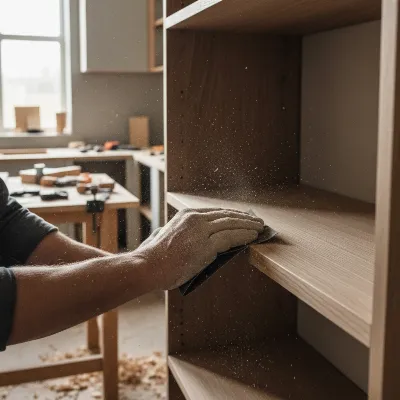 Person sanding an old wooden bookshelf, preparing it for painting during an upcycling project into a kitchen pantry.
Structural Enhancements (if needed)
While bookshelves are generally sturdy, considering the weight of pantry items, some reinforcements might be beneficial. If the shelves are adjustable or seem thin, adding small L-brackets underneath each shelf for extra support can increase their weight-bearing capacity. You can also permanently fix adjustable shelves in place with screws and wood glue for added stability. For very heavy items or if the bookshelf itself feels wobbly, anchoring it to a wall using L-brackets or anti-tip hardware is highly recommended, especially in earthquake-prone areas or homes with children and pets. This ensures the unit remains stable and safe, preventing accidental tipping.
Key Design Elements for Your Custom Pantry
Transforming a basic bookshelf into a bespoke pantry involves thoughtful design choices that align with both functionality and aesthetics. These elements can dramatically alter the look and feel of your upcycled piece.
Open Shelving vs. Enclosed Pantry
The choice between open shelving and an enclosed pantry significantly impacts the visual style and practical use of your unit.
- Open Shelving: This design keeps all your pantry items visible and easily accessible. It’s an excellent choice for smaller kitchens or galley kitchens, as it can make the space feel larger and less cluttered than solid cabinetry. Open shelving encourages neat organization, as everything is on display. It’s perfect for showcasing attractive food containers, jars, and kitchenware, contributing to the overall decor. However, it requires consistent tidiness and regular dusting.
- Enclosed Pantry (Adding Doors): For those who prefer a more streamlined look or wish to conceal pantry clutter, adding doors is an ideal solution. Doors can be crafted from various materials, including solid wood panels for a classic, seamless cabinet appearance, glass panels for a peek-a-boo effect, or even chicken wire for a rustic, farmhouse charm. Fabric curtains can also offer a softer, more temporary solution. Building doors involves measuring, cutting wood for frames, assembling them (often with pocket holes), and then attaching hinges and handles. This option provides a clean aesthetic and protects food items from dust and light.
Adding Backing
Many bookshelves have a thin, often flimsy, cardboard or plywood backing. Upgrading this can significantly enhance the pantry’s durability and visual appeal. Replacing the original backing with beadboard, a thicker piece of plywood, or even MDF can create a more robust structure and a polished look. Beadboard, in particular, adds a classic, cottage-style texture that pairs well with many kitchen designs. Once cut to size, the new backing can be nailed or screwed into place and then painted or stained to match the rest of your pantry, covering any wall imperfections behind the unit.
Paint and Finish
The paint color and finish you choose will largely dictate how your upcycled pantry integrates with your kitchen. Consider colors that either complement your existing cabinetry for a cohesive look or a bold contrasting color to create a statement piece. For a rustic or farmhouse feel, wood stains or distressed paint finishes work wonderfully. For a modern aesthetic, a smooth, high-gloss paint in a neutral or vibrant hue can be striking.
Beyond color, the type of paint matters. In a kitchen environment, durability and ease of cleaning are key. Opt for semi-gloss or high-gloss paints, as they are generally more resistant to moisture, stains, and easier to wipe down than matte finishes. Ensure the paint is low-VOC (volatile organic compound) for better indoor air quality, especially when storing food. After painting, a clear protective topcoat (like polyurethane or a food-safe sealant) can add an extra layer of durability and make cleaning even simpler.
Hardware and Accessories
The right hardware can improve your bookshelf pantry from a DIY project to a professionally finished piece. Hinges, handles, and drawer pulls should match your kitchen’s existing hardware style for a unified look. For enclosed pantries, sturdy hinges are essential for the doors, while attractive pulls make opening and closing easy.
Beyond basic hardware, consider internal accessories to maximize organization:
- Pull-out shelves or drawers: These can be added to the lower sections of the pantry, making it easier to access items stored at the back.
- Spice racks: Attach small racks to the inside of the doors or to the side of the unit.
- Hooks: Install hooks for hanging aprons, oven mitts, or small tools.
- Baskets and bins: These are invaluable for corralling smaller items, snacks, or oddly shaped packages, keeping shelves tidy and functional.
Step-by-Step Upcycling Process
With your design elements chosen and materials gathered, it’s time to bring your vision to life. This step-by-step guide will walk you through the practical aspects of transforming your bookshelf.
Step 1: Measure Your Space and Bookshelf
Accurate measurements are the foundation of a successful project. First, measure the exact dimensions of the space where your pantry will reside—height, width, and depth. Pay attention to any existing architectural features, power outlets, or adjacent appliances. Then, measure your bookshelf. Ensure it fits comfortably within your designated space, allowing at least a half-inch gap at the top if you plan to move it or add doors later. If you’re using an IKEA Billy bookcase, consider its available widths and heights (e.g., 15 ¾” and 31 ½” widths, 41 ¾” and 79 ½” heights) and whether an extension piece (13 ¾” tall) is needed to reach your desired height, up to 93 ¼ inches. This planning ensures the bookshelf is proportional and functional in its new home.
Step 2: Disassemble (if necessary) and Clean
Carefully remove any adjustable shelves, existing doors, or unnecessary hardware from the bookshelf. This provides a clear canvas for cleaning and customization. Use a mild cleaner to thoroughly wipe down every surface, ensuring there’s no dust, grease, or sticky residue that could interfere with sanding or painting. Allow the bookshelf to dry completely before proceeding.
Step 3: Sand and Prime
Following the guidance from the preparation section, meticulously sand all surfaces of the bookshelf. Start with a coarser grit (e.g., 120-150) to smooth out imperfections and create a good adhesion surface, then follow with a finer grit (e.g., 220) for a silky finish. Wipe away all sanding dust. Apply an even coat of primer, allowing it to dry thoroughly. A light second sanding with fine-grit paper after priming can help achieve an even smoother surface for painting.
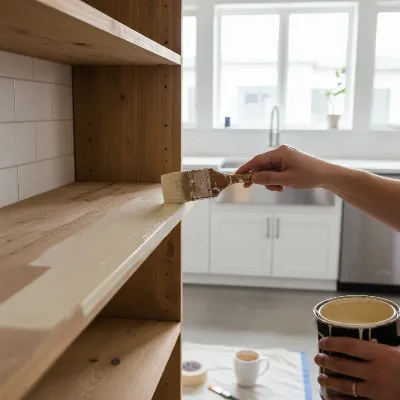 A person meticulously painting a prepped bookshelf with a paintbrush, transforming it into a kitchen pantry in a well-lit home setting.
Step 4: Paint or Stain
Once the primer is dry, apply your chosen paint or stain. If painting, apply thin, even coats, allowing each coat to dry completely before applying the next. This prevents drips and ensures a durable finish. Two to three coats are usually sufficient for full coverage and longevity. If staining, apply the stain according to product instructions, wiping off any excess for an even tone. If using a protective topcoat, apply it after the paint or stain has fully cured. to work in a well-ventilated area.
Step 5: Add Backing (Optional)
If you’re replacing or adding a backing, measure the back of your bookshelf precisely. Cut your chosen material (beadboard, plywood, or MDF) to size. You can often have these materials cut to your specifications at a hardware store, which saves time and ensures straight edges. Attach the new backing to the rear of the bookshelf using small nails or screws, ensuring it is flush and secure. You can paint or stain the backing to match or complement the interior of your pantry.
Step 6: Install Doors (Optional)
If you’ve opted for an enclosed pantry, this step involves creating and installing the doors.
- Measure and Cut Door Frames: Measure the height and width of each opening where a door will be placed. Cut four pieces of wood (two stiles for height, two rails for width) for each door frame.
- Assemble Door Frames: Use wood glue and pocket holes, or dowels and glue, to assemble the door frames. Ensure they are square.
- Add Inserts: For solid doors, cut plywood or MDF panels to fit within the frames. For chicken wire doors, staple the wire to the inside of the frame. For glass or window film, secure them as per the product instructions.
- Attach Hinges and Handles: Mount hinges to the doors and the bookshelf frame. Install handles or pulls for easy operation. Ensure the doors swing freely and close properly.
Step 7: Reassemble and Secure
Reinsert your shelves at the desired heights, distributing them strategically based on the items you plan to store. Consider the height of cereal boxes, stacked cans, or small appliances. For maximum stability and safety, particularly with taller units or in homes with children, it’s essential to secure the bookshelf to the wall. Use L-brackets and wall anchors, screwing them into wall studs for the strongest hold. This prevents the unit from tipping over.
Step 8: Organize
The final touch is organizing your custom pantry. Use baskets, bins, and clear containers to categorize items and maximize space. Labels are incredibly helpful for quickly locating items. Place frequently used items at eye level and heavier items on lower shelves.
> “An organized pantry is a joyful pantry. By creating designated zones and utilizing smart storage solutions, you transform chaos into calm, making meal prep a breeze.” – Sarah Johnson, Professional Organizer and DIY Enthusiast
Pantry Organization and Styling Tips
A beautifully upcycled pantry deserves equally thoughtful organization. Effective styling not only maximizes storage but also enhances the overall aesthetic of your kitchen.
Categorize and Zone
Think of your pantry as a mini-supermarket, organizing items by category. Dedicate specific shelves or sections for baking supplies, snacks, canned goods, pasta, spices, and breakfast items. This zoning strategy makes it easy to locate ingredients, helps in inventory management, and streamlines your grocery shopping list. For instance, all baking flours and sugars can reside together on one shelf, while kids’ snacks are easily accessible on another.
Use Containers
Investing in a variety of containers can dramatically improve organization and appearance. Clear, airtight containers are ideal for dry goods like flour, sugar, pasta, and cereals, protecting them from pests and moisture while allowing you to see contents at a glance. Woven baskets or opaque bins are perfect for corralling smaller, odd-shaped items like chip bags, tea boxes, or cleaning supplies, maintaining a neat facade, especially in open shelving units. Uniform containers can also contribute to a cohesive and stylish look.
Labeling
Even with clear containers and designated zones, labeling is a major upgrade for pantry efficiency. Use a label maker, chalkboard labels, or even simple handwritten tags to clearly identify the contents of each container and shelf. This is particularly helpful for family members and guests, ensuring everyone knows where to find items and, more importantly, where to put them back. Labels also make it easier to maintain an organized system over time.
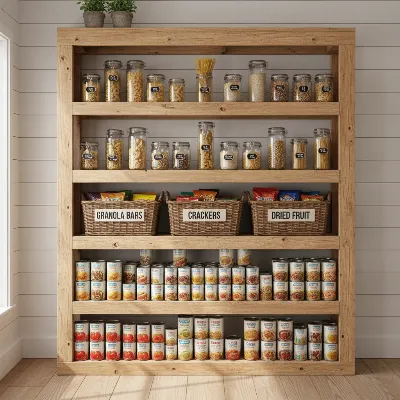 A neatly organized upcycled bookshelf pantry filled with clear containers, wicker baskets, and labeled jars, showcasing efficient kitchen storage.
Vertical Space Utilization
Don’t let vertical space go to waste. Use shelf risers or stackable bins to create multiple levels within a single shelf, effectively doubling your storage capacity for shorter items like cans or spice jars. Over-the-door organizers can also add valuable storage for smaller, frequently used items, or even rolls of foil and plastic wrap, utilizing every available inch of space.
Aesthetic Touches
If your upcycled pantry features open shelving, consider its visual impact. Arrange items thoughtfully, placing aesthetically pleasing containers and colorful produce in prominent spots. Introduce small decorative elements like a mini plant, a small piece of art, or a decorative pitcher to break up the monotony of food items and add personality. Maintaining a consistent color palette for your containers can also contribute to a serene and stylish look, turning a functional space into an appealing display.
Conclusion
Transforming an old bookshelf into a custom pantry is a rewarding DIY project that combines functionality, sustainability, and personal style. By following these comprehensive steps, you can breathe new life into an unused piece of furniture, creating a storage solution that not only meets your kitchen’s demands but also reflects your unique aesthetic. From careful preparation and structural enhancements to thoughtful design choices and meticulous organization, your upcycled pantry can become a valuable and cherished addition to your home. It’s an affordable, eco-conscious, and highly customizable way to achieve the organized and beautiful kitchen you’ve always desired.
What unique touches will you add to make your upcycled pantry truly yours?
Frequently Asked Questions
What type of bookshelf is best for a pantry conversion?
Sturdy, solid wood or well-constructed particle board bookshelves are ideal. Look for units with adjustable shelves for flexibility and adequate depth (at least 10-12 inches) to accommodate pantry items. IKEA Billy bookcases are a popular choice due to their versatility and availability.
How do I make sure the bookshelf is stable?
Always secure the upcycled pantry to a wall using L-brackets or anti-tip furniture straps, screwing into wall studs for the strongest hold. This is crucial for safety, especially with heavy pantry items and in homes with children or pets. Reinforce shelves with L-brackets if they feel flimsy.
Can I add drawers to my bookshelf pantry?
Yes, you can add drawers. This often requires purchasing drawer slides and constructing custom drawer boxes to fit within the shelf openings. Alternatively, you can use pre-made pull-out baskets or containers that fit on the shelves to mimic the functionality of drawers without complex construction.
Is it necessary to use food-safe paint?
If food items will be stored directly on painted surfaces without packaging, or if you’re concerned about off-gassing, using food-safe or low-VOC paint and sealants is highly recommended. For packaged goods, standard durable kitchen paints are generally acceptable, but low-VOC options are always a healthier choice for indoor air quality.
How do I clean and maintain my upcycled pantry?
Regularly wipe down shelves and surfaces with a damp cloth and mild, food-safe cleaner. For open pantries, frequent dusting is necessary. If you’ve added doors, periodically check hinges and hardware for tightness. Clean spills immediately to prevent stains and ensure the longevity of your finish.
Frequently Asked Questions
What type of bookshelf is best for a pantry conversion?
Sturdy, solid wood or well-constructed particle board bookshelves are ideal for pantry conversions. Look for units with adjustable shelves for flexibility and a depth of at least 10-12 inches to accommodate pantry items. IKEA Billy bookcases are a popular choice due to their versatility and availability in various sizes.
How do I ensure the upcycled bookshelf pantry is stable and safe?
Always secure the upcycled pantry to a wall using L-brackets or anti-tip furniture straps, screwing into wall studs for the strongest hold. This is crucial for safety, especially with heavy pantry items and in homes with children or pets. Reinforce shelves with additional L-brackets if they feel flimsy to increase weight-bearing capacity.
Can I add drawers to my bookshelf pantry for better organization?
Yes, you can add drawers to your bookshelf pantry. This typically involves purchasing drawer slides and constructing custom drawer boxes to fit within the shelf openings. Alternatively, you can use pre-made pull-out baskets or containers that fit on the shelves to mimic the functionality of drawers without complex construction, offering similar organizational benefits.
Is food-safe paint necessary for an upcycled pantry?
If food items will be stored directly on painted surfaces without packaging, or if you are concerned about off-gassing, using food-safe or low-VOC paint and sealants is highly recommended. For packaged goods, standard durable kitchen paints are generally acceptable, but low-VOC options are always a healthier choice for indoor air quality in a kitchen environment.
What are the best ways to clean and maintain an upcycled pantry?
Regularly wipe down shelves and surfaces with a damp cloth and a mild, food-safe cleaner to keep your upcycled pantry tidy. For open pantries, frequent dusting is necessary to prevent accumulation. If you've added doors, periodically check hinges and hardware for tightness and clean spills immediately to prevent stains and ensure the longevity of your chosen finish.
Upcycle an Old Bookshelf into a Custom Pantry
Transform an old bookshelf into a functional and stylish custom pantry for your kitchen with these practical steps.
Accurately measure the height, width, and depth of your designated kitchen space and the bookshelf. Ensure the bookshelf fits comfortably, allowing at least a half-inch gap at the top. This planning ensures the unit is proportional and functional in its new home.
Remove adjustable shelves and hardware. Thoroughly clean all surfaces with a mild cleaner, then sand with 120-150 grit followed by 220 grit sandpaper for a smooth finish. Apply a high-quality primer and allow it to dry completely, lightly sanding again if needed.
Apply thin, even coats of your chosen paint or stain, allowing each to dry fully. If adding a new backing (like beadboard or plywood), measure, cut, and attach it securely with nails or screws. Paint or stain the backing to match your pantry's interior.
If creating an enclosed pantry, measure, cut, and assemble door frames, then attach inserts like plywood or chicken wire. Mount hinges to the doors and bookshelf frame, then install handles. Reinsert shelves at desired heights, considering item sizes.
Secure the bookshelf to the wall using L-brackets and wall anchors, screwing into studs for maximum stability and safety. Finally, organize your custom pantry using baskets, bins, and clear containers, labeling items for easy access and efficient space utilization.

I followed the steps to upcycle my old bookshelf into a pantry, and it turned out amazing! The tip about reinforcing the shelves for heavier items like canned goods was super helpful. It really does save a ton of money compared to buying a new pantry unit, and I love that I could customize the paint color to match my kitchen perfectly. Highly recommend this project for anyone needing more kitchen storage.
The idea of turning a bookshelf into a pantry is great for saving money, and the material cost being under $100 was a big draw. However, I found that getting the paint to adhere smoothly to my old particle board bookshelf was a bit of a challenge, even with proper priming. It looks decent, but not as flawless as I hoped. Still, it’s functional and holds all my extra groceries.
I’ve been looking for a budget-friendly way to add more storage to my small kitchen, and this DIY bookshelf-to-pantry idea was perfect. I appreciated the emphasis on using sturdy bookshelves, which made me feel confident about loading it up with my bulk items. The customization options mentioned really allowed me to make it my own, and it fits right in with my decor. Great way to repurpose something old!