Color-coding a bookshelf involves arranging books by the color of their spines, creating a visually cohesive and often stunning display. This method transforms a functional storage unit into a decorative focal point, making your book collection an integral part of your room’s aesthetic design. Organizing books by color can surprisingly enhance your ability to locate titles, improve your space into a calming oasis, and even inspire you to rediscover forgotten reads. This guide will walk you through the simple yet transformative steps to turn your cluttered collection into a vibrant, organized display, offering practical tips and advanced techniques to help you become a color-coding expert.
The Allure of Color-Coded Bookshelves
What is Color-Coding?
Color-coding a bookshelf involves arranging books primarily by the color of their spines, creating a visually cohesive and often stunning display. Instead of grouping books by author, title, or subject, you sort them into blocks of similar hues, which can then be arranged in various patterns, most famously the rainbow gradient. This method transforms a functional storage unit into a decorative focal point, making your book collection an integral part of your room’s aesthetic design. It’s a decorative choice that also doubles as a unique organizational system.
Why Organize by Color? Advantages and Disadvantages
Organizing your books by color offers a blend of style and surprising functionality, making it a popular choice for home decorators and visual thinkers alike. The primary advantage is the undeniable visual appeal it creates, reducing visual “noise” and transforming a busy collection into a tranquil display. When books of the same color are grouped, they form larger blocks that are easier for the brain to process, creating a sense of calm and order. For many, finding a book by its vibrant blue cover or distinct red spine is more intuitive than recalling its author or exact title, making retrieval quicker for visual learners. This unique sorting process can prompt you to handle every book, potentially leading to the rediscovery of long-forgotten treasures.
However, color-coding also comes with a few disadvantages. The most common concern is the difficulty in locating a specific book if you can’t recall its spine color, especially for extensive collections or academic texts where content is paramount. Critics sometimes argue that this method prioritizes style over substance, potentially diminishing the intellectual gravitas of a personal library. If executed too rigidly, it can also create a somewhat “forced” or “uptight” aesthetic, losing the organic charm of a more traditional arrangement. The choice often hinges on personal preference and how you primarily interact with your books.
Preparing Your Bookshelf for a Vibrant Transformation
Embarking on a color-coded bookshelf project requires a fresh start. A thorough preparation phase ensures a smooth transition and a beautifully finished result. This initial groundwork is crucial for maximizing both the aesthetic impact and the functional benefits of your new system.
Decluttering and Purging
|
Our Picks for the Best Book Shelf in 2026
As an Amazon Associate I earn from qualifying purchases.
|
||
| Num | Product | Action |
|---|---|---|
| 1 | DUMOS 5 Tiers Bookshelf, Classical Book Shelf, Tall Display Shelves in Living Room/Home/Office, Storage Organizer for CDs/Books/Movies, Modern Black |

|
| 2 | TVU 5-Tier Wooden Bookshelf, 65 Inch Tall Bookshelf with Storage, Floor Standing Modern Style Display Bookcase for Living Room, Office, Study Room, Entryway, Brown |
|
| 3 | NUMENN Triple Column 5 Tier Bookshelf, Bookcase with 14 Open Display Shelves, Adjustable Rustic Industrial Style Book Shelves, Modern Bookshelves for Bedroom, Living Room and Home Office, Vintage |
|
| 4 | VASAGLE CUSTOS Collection - Bookshelf, 6-Tier Bookcase, Book Shelf, Open Storage Shelf, 9.4 x 23.6 x 63.3 Inches, for Living Room, Home Office, Dinning Room, Cloud White ULBC166T14 |
|
| 5 | NUMENN Bookshelf, 5 Tier Bookshelves, Home Office Bookcase Shelf Storage Organizer, Free Standing Storage Shelving Unit for Bedroom, Living Room and Home Office, Vintage |
|
| 6 | Furinno JAYA Book Shelf, 5-Tier Bookshelf, Bookcase with Adjustable Shelves, 9.5" x 24.5" x 71.2", for Organization and Storage, for Living Room, Bedroom, Home Office, Blackwood |
|
| 7 | NUMENN 5 Tier Bookshelf, Tall Bookcase Shelf Storage Organizer, Modern Book Shelf for Bedroom, Living Room and Home Office, Vintage |
|
| 8 | Mavivegue Bookcase, 18-Cube Extra Large Book Shelf, DIY Cube Storage Organizer for Bedroom, Living Room, Home Office - Black |
|
| 9 | VASAGLE Bookshelf, Tree-Shaped Bookcase with 13 Storage Shelves, Rounded Corners, 9.8”D x 33.9”W x 55.1”H, Rustic Brown ULBC67BXV1 |
|
| 10 | VASAGLE CUSTOS Collection - Bookshelf, 5-Tier Bookcase, Book Shelf, Open Storage Shelf, 9.4 x 23.6 x 52.8 Inches, for Living Room, Home Office, Dinning Room, Cloud White ULBC165T14 |
|
The first, and arguably most impactful, step is to completely empty your bookshelf. Pull every single book off the shelves, along with any decorative items. This offers a rare opportunity to declutter and purge your collection. As you handle each book, ask yourself: Have I read this? Will I read it again? Does it bring me joy or provide valuable information? If the answer to these questions is no, consider placing the book in a “donate,” “sell,” or “recycle” pile. Be ruthless but mindful; keeping only the books you truly cherish or need will significantly reduce future clutter and make the color-coding process more manageable. Once the shelves are clear, take the time to wipe them down thoroughly, removing dust and grime. This ensures a clean slate for your new, vibrant display.
Gathering Your Tools
While color-coding doesn’t require specialized equipment, having a few basic tools on hand can make the process more efficient and help maintain your organized system. A soft dust cloth and a gentle cleaning solution are essential for wiping down both your shelves and the books themselves. Consider having optional items like sturdy bookends to support smaller color groupings or decorative objects like small plants or sculptures to break up large blocks of color and add visual interest. These elements can enhance the overall aesthetic and prevent your arrangement from looking too monotonous.
The Step-by-Step Guide to a Rainbow Bookshelf
Transforming a messy bookshelf into a vibrant, color-coded display is a rewarding process that combines practical sorting with artistic arrangement. The key is a systematic approach that allows you to manage your collection effectively.
Sorting Your Literary Collection by Hue
Once your books are off the shelves, the real fun begins: sorting. Create large, distinct piles on the floor or on a cleared table, one for each primary color you identify in your books’ spines. Think in broad categories initially: reds, oranges, yellows, greens, blues, purples, browns, blacks, whites, and any other dominant neutral tones like gray or beige. Don’t worry about perfect shades yet; the goal is to get all the “red” books together, all the “blue” books together, and so on.
A common question arises with multi-colored books. For these, decide which color is most dominant or which color you want them to represent in your display. If a book has a striking pattern of red and blue, you might place it in the red pile if red is more prominent, or in a “transitional” area between red and blue when arranging on the shelf. Some choose to place multi-colored books at the end of a color block or on a shelf specifically for mixed hues.
Arranging Books on Your Shelves
With your books sorted into color piles, it’s time to bring them back to life on the shelves. The most popular method is the Classic Rainbow Gradient (ROYGBIV), arranging colors in the order they appear in a rainbow: Red, Orange, Yellow, Green, Blue, Indigo/Violet. You can apply this across an entire bookshelf, having the rainbow flow from one shelf to the next, or create smaller rainbows on individual shelves.
Consider other arrangements as well:
- Ombre Effect: Within a single color block, arrange books from lightest to darkest shade. For example, a section of light blues gradually transitioning to deep navy.
- Monochromatic Shelves or Sections: Dedicate an entire shelf or a specific area to a single dominant color, creating a striking visual impact.
- Integrating Black, White, and Neutral Books: These colors can be challenging. Many people place black books at the bottom or top of the display, or use them as “breaks” between vibrant color sections. White books often work well at the top or interspersed to create a clean, airy feel. Neutrals like brown or beige can be integrated where they naturally transition or used as foundational colors on lower shelves.
When arranging, also pay attention to book height and size. While color is the primary organizer, varying heights can still look chaotic. Try to group books of similar height within their color blocks, creating cleaner lines. You can also stack a few larger books horizontally to add visual breaks and display smaller books on top.
Adding Decorative Elements
Once your books are arranged by color, consider integrating decorative elements to enhance the overall aesthetic. Sturdy bookends can define the start and end of color sections or hold up smaller groupings, especially on shelves that aren’t completely full. Small plants, minimalist sculptures, or framed photographs can be strategically placed to break up long stretches of color, add texture, and introduce personal touches. These elements provide visual resting points and allow you to personalize your display, making it feel less like a library and more like a curated art piece.
 A cluttered, disorganized bookshelf with books piled haphazardly, varying sizes and colors creating visual chaos, warm indoor lighting, realistic style
Elevating Your Color-Coded System
Beyond the basic rainbow, there are advanced techniques and considerations that can further refine and personalize your color-coded bookshelf, ensuring it remains both beautiful and functional in the long term.
Combining Color with Other Organizational Methods
For many avid readers or those with specialized collections, a purely color-coded system might feel restrictive. The good news is that you don’t have to choose one method over another; you can combine them for optimal results. A popular approach is to organize by genre first, and then by color within each genre. For example, all your “Fiction” books could be on one section of shelves, and within that section, they are arranged by color. Similarly, “History” books could occupy another section, also color-coded internally. This hybrid method offers the visual appeal of color-coding while retaining the logical structure for easy content retrieval. If you have a strong preference for author organization, you could even try to group books by author and then arrange those author-specific groups by color if their spines allow for it.
Maintaining Your Visually Stunning Bookshelf
An organized bookshelf is a continuous project, not a one-time event. To keep your color-coded display looking pristine, establish a simple maintenance routine. When you acquire new books, take a moment to identify their dominant spine color and integrate them into the appropriate section. This might mean shifting a few existing books, but it’s much easier than a complete re-sort later. Regular dusting of both the shelves and the books themselves will prevent accumulation and keep your colors vibrant. Periodically step back and assess your arrangement; sometimes, a minor tweak to height or color flow can make a significant difference.
Creative Variations Beyond the Rainbow
While the rainbow gradient is iconic, it’s not the only way to embrace color-coding. Feel free to experiment with creative variations that better suit your personal style and home decor. Instead of one continuous rainbow, you might opt to break up the color sections across different shelves or even different rooms, creating unexpected pops of color. For a more minimalist or sophisticated look, consider dedicating entire shelves or even bookcases to monochromatic themes – for instance, a shelf of all white books interspersed with silver decor, or a rich display of deep blue and green tones. Another popular technique for a more uniform and serene appearance is to remove the dust jackets from hardcovers. This often reveals a simpler, more consistent spine color (or a plain cover), allowing for a cleaner color-coded arrangement that highlights the texture of the bindings.
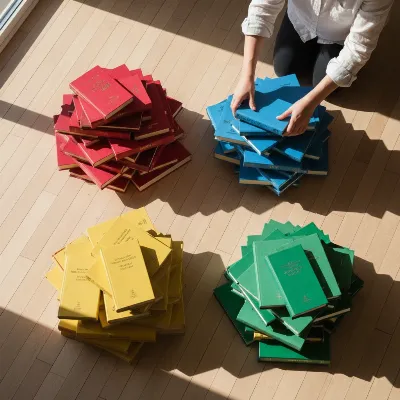 Hands sorting books into distinct color piles on the floor, demonstrating the initial step of organizing a bookshelf by color, bright natural light, top-down view
Addressing Common Bookshelf Organization Woes
Even with the best intentions, organizing a bookshelf by color can present unique challenges. Knowing how to troubleshoot these common issues ensures your system remains effective and enjoyable.
Finding Specific Titles
One of the most frequent concerns with color-coded bookshelves is the perceived difficulty in finding a specific book without recalling its spine color. This challenge is often overstated for visual thinkers who naturally associate a book with its cover. However, for those who struggle, developing a system can help. Try taking a quick photo of your shelves once organized, or even creating a simple digital inventory (e.g., a spreadsheet) where you note the color of each book’s spine. Over time, you’ll likely develop a stronger visual memory for your collection. If a book is frequently referenced, consider giving it a prime spot on an easily accessible shelf or even outside the strict color scheme if its utility outweighs its aesthetic placement.
Handling Mismatched Spines
Sometimes, a book you love might have a spine that completely clashes with your intended color scheme, or a series might feature wildly inconsistent colors. When one book threatens to break the harmonious flow, you have a few options. If it’s a minor color deviation, you can try to blend it into the most similar color group, perhaps placing it at the very beginning or end of that block. For truly disruptive spines, consider placing the book in a less prominent area, like a lower shelf, or even turning its spine inward (though this defeats the purpose of visual identification). Another creative solution is to use a decorative book cover or sleeve if the book is particularly important but its aesthetic is problematic.
Books with Predominantly Black/White Spines
Books with black, white, or other neutral-colored spines can be a challenge in a vibrant rainbow scheme. Instead of viewing them as obstacles, consider them as opportunities to create sophisticated visual breaks. Black books can be grouped together, often creating a grounding, elegant section, perhaps on the bottom shelves or as a stark contrast at the end of a rainbow flow. White books can lend an airy, minimalist feel and work beautifully at the top of a shelf or interspersed to lighten a section. You can also create dedicated “neutral zones” on a shelf where blacks, whites, and grays coexist, offering a refined interlude between brighter hues.
Dealing with Very Few Books of One Color
It’s common to find you have an abundance of books in one color (e.g., blue) but only a handful in another (e.g., orange). When a color pile is sparse, grouping these books with similar or transitional shades can work well. For example, your few orange books might sit comfortably between red and yellow sections, or even merge slightly into a reddish-brown or yellowish-green group. Alternatively, you can use these smaller color groupings as accents, placing them strategically on different shelves to echo the main rainbow flow without needing a full-sized block. Decorative items can also help fill out smaller sections, making them appear more intentional.
 A perfectly organized bookshelf with books arranged in a vibrant rainbow gradient, clean lines, decorative elements, modern home interior, artistic and realistic style
Conclusion
Transforming a messy bookshelf into a vibrant, color-coded display is more than just a decor trend; it’s a strategic organizational approach that brings both beauty and unexpected functionality to your home. By decluttering, sorting by hue, and artfully arranging your collection, you can reduce visual clutter, create a calming atmosphere, and even make finding your favorite books a more intuitive experience for visual thinkers. While some may perceive it as purely aesthetic, the process of color-coding encourages a fresh look at your collection and offers a unique way to personalize your living space. Embracing this method allows your books to become an expressive, colorful centerpiece, reflecting your unique style and passion for literature. So, why not give your books the vibrant makeover they deserve and see how a touch of color can improve your reading nook?
Frequently Asked Questions
Is organizing by color practical for avid readers?
Absolutely. While traditional methods suit some, avid readers who are visual thinkers often find finding a book’s cover color easier than its author or title, making color-coding surprisingly practical for quick retrieval. Combining it with genre sorting can also provide the best of both worlds.
What if I have many books with neutral spines?
Neutral-spined books (black, white, gray, brown) can be elegantly integrated. Consider creating distinct monochrome sections for them, using them as sophisticated visual anchors on lower shelves, or interspersing them to provide calming breaks within a vibrant rainbow flow.
Should I remove book jackets?
Removing dust jackets from hardcover books is a popular choice for a cleaner, more uniform look. This often reveals a simpler spine color or plain binding, which can significantly enhance the cohesiveness of your color-coded arrangement and reduce visual clutter.
How do I keep my color-coded bookshelf looking neat?
Regular maintenance is key. When adding new books, immediately integrate them into the correct color section. Dust your shelves and books periodically. Occasionally step back to adjust any misaligned books or decorative items, ensuring the visual flow remains consistent.
Does color-coding damage books?
No, organizing books by color does not inherently damage them. The method simply dictates their arrangement. Ensure books are not crammed too tightly, are supported by bookends, and are stored in a stable, clean environment, just as you would with any other organizational system.
Can I combine color-coding with genre sorting?
Yes, many professionals recommend a hybrid approach. First, group your books by genre (e.g., Fiction, History, Cookbooks). Then, within each genre section, arrange the books by color. This provides both logical content-based organization and the visual appeal of color-coding.
Frequently Asked Questions
Is organizing by color practical for avid readers?
Absolutely. Avid readers who are visual thinkers often find locating a book by its cover color easier than by author or title, making color-coding surprisingly practical for quick retrieval. Combining this method with genre sorting can provide the best of both worlds for comprehensive collections.
What if I have many books with neutral spines?
Neutral-spined books (black, white, gray, brown) can be elegantly integrated into your display. Consider creating distinct monochrome sections for them, using them as sophisticated visual anchors on lower shelves, or interspersing them to provide calming breaks within a vibrant rainbow flow. This adds depth and sophistication to your arrangement.
Should I remove book jackets for color-coding?
Removing dust jackets from hardcover books is a popular choice for achieving a cleaner, more uniform look. This often reveals a simpler spine color or plain binding, which can significantly enhance the cohesiveness of your color-coded arrangement and reduce visual clutter, creating a more minimalist aesthetic.
How do I keep my color-coded bookshelf looking neat?
Regular maintenance is key to a pristine color-coded bookshelf. When adding new books, immediately integrate them into the correct color section. Dust your shelves and books periodically to prevent accumulation. Occasionally step back to adjust any misaligned books or decorative items, ensuring the visual flow remains consistent and appealing.
Does color-coding damage books?
No, organizing books by color does not inherently damage them. The method simply dictates their arrangement on the shelf. Ensure books are not crammed too tightly, are supported by sturdy bookends, and are stored in a stable, clean environment, just as you would with any other organizational system to preserve their condition.
Can I combine color-coding with genre sorting?
Yes, many professionals recommend a hybrid approach for optimal organization. First, group your books by genre (e.g., Fiction, History, Cookbooks). Then, within each genre section, arrange the books by color. This provides both logical content-based organization and the visual appeal of color-coding, making books easier to find and display.
How to Color-Code Your Bookshelf
Transform your cluttered book collection into a vibrant, organized display using color-coding techniques. This process involves decluttering, sorting by hue, and artfully arranging books to create a visually stunning and functional bookshelf.
Completely empty your bookshelf, removing all books and decorative items. As you handle each book, decide if you want to keep it, donate it, sell it, or recycle it. This crucial step reduces clutter and makes the subsequent color-coding process more manageable.
Create distinct piles of books based on the dominant color of their spines. Group reds, oranges, yellows, greens, blues, purples, browns, blacks, whites, and other neutrals separately. For multi-colored books, decide which color is most prominent or where you want them to fit in your display.
Place your sorted books back on the shelves, typically following the Classic Rainbow Gradient (ROYGBIV: Red, Orange, Yellow, Green, Blue, Indigo/Violet). You can apply this flow across multiple shelves or create smaller rainbow sections on individual shelves. Pay attention to book height and size within color blocks for cleaner lines.
Enhance the aesthetic by adding decorative elements. Use sturdy bookends to define color sections or support smaller groupings. Strategically place small plants, minimalist sculptures, or framed photographs to break up long stretches of color and introduce personal touches, making the display feel curated.
Establish a simple maintenance routine to keep your color-coded display pristine. When acquiring new books, immediately integrate them into the appropriate color section. Regularly dust both the shelves and the books to prevent accumulation and ensure your colors remain vibrant and appealing.

I absolutely love how my bookshelf looks now! Arranging books by the color of their spines has completely changed the vibe of my study. It’s not just about storage anymore; it’s genuinely a part of the room’s aesthetic design. I even found it surprisingly easy to locate titles once I got used to the new system.
I was skeptical about color-coding my bookshelf at first, thinking it would make finding books harder. But after following the steps, my living room looks so much more put together! It really does turn a functional storage unit into a decorative focal point, just like it said. I’m actually rediscovering books I forgot I owned because the display is so inviting.
I tried the color-coding method, and while it looks pretty good, I found it a bit challenging with my extensive collection of paperbacks that have very similar spine colors. It definitely transforms the space, but I wish there were more advanced techniques for dealing with a lot of muted tones. Still, it’s an interesting way to organize.
This guide was super helpful for getting started. I used to just have my books stacked haphazardly, but now my collection is a vibrant, organized display. It’s true that it makes the room feel like a calming oasis. My only minor quibble is that some of my favorite series got split up, but the aesthetic improvement is worth it.