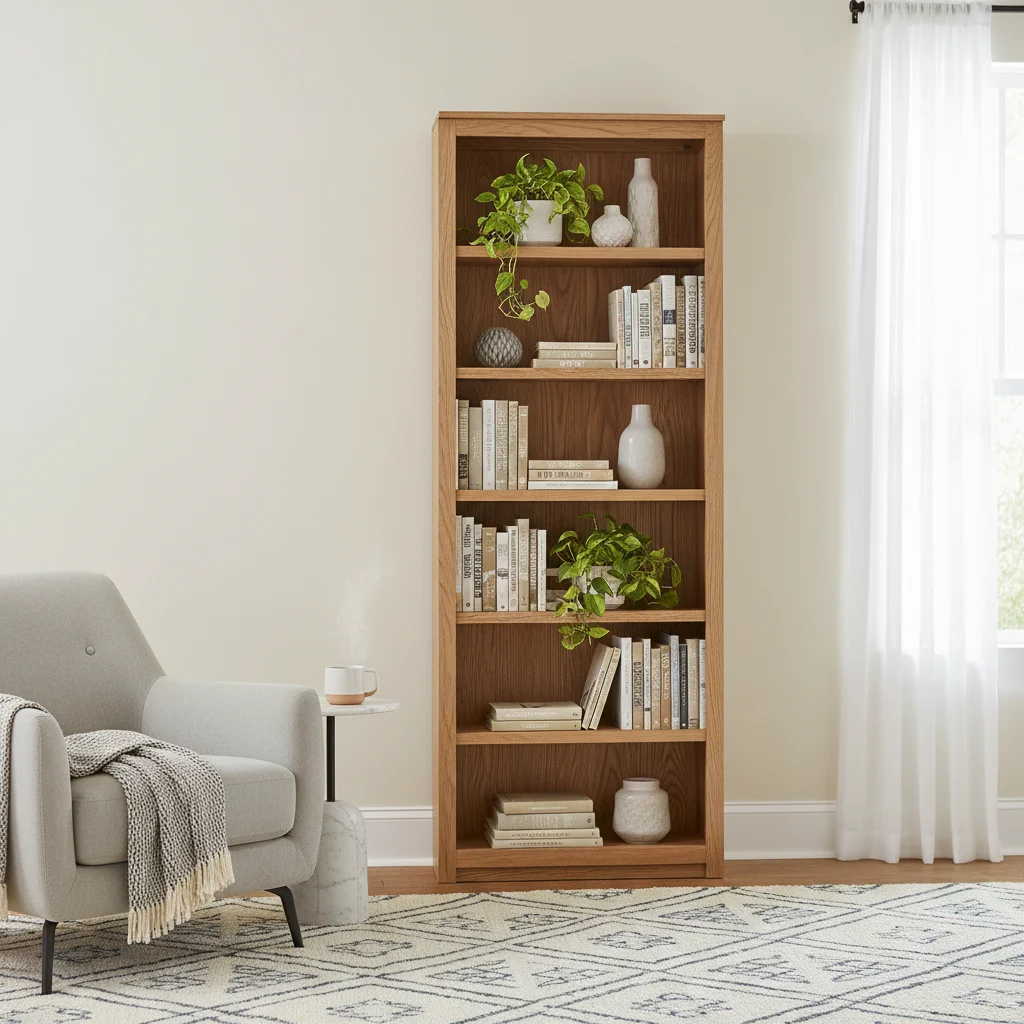
Optimal bookshelf placement significantly impacts a room’s flow and functionality. There are five key considerations for positioning your bookshelf to enhance both aesthetics and practicality, ensuring it complements your living space rather than clutters it.
Understanding Room Dynamics for Bookshelf Placement
Before moving any furniture, assess the room’s existing layout and traffic patterns. Consider how people move through the space and identify any natural focal points. A bookshelf should ideally enhance these elements, not obstruct them. For instance, placing a tall, narrow bookshelf in a corner can utilize otherwise dead space without impeding movement. Conversely, a long, low bookshelf can define a zone within an open-plan living area. For home furniture buying guides on this site.
Leveraging Natural Light and Wall Space
Natural light is a crucial factor. Avoid placing bookshelves directly in front of windows if you want to maximize light entry or if your books are susceptible to sun damage. Instead, consider an adjacent wall where the bookshelf can benefit from ambient light without blocking it. Wall space is also critical; measure carefully to ensure the bookshelf fits without looking cramped or overwhelming the wall. Think about the height and width in relation to other furniture pieces.
Considering Accessibility and Functionality
|
Our Picks for the Best Book Shelf in 2026
As an Amazon Associate I earn from qualifying purchases.
|
||
| Num | Product | Action |
|---|---|---|
| 1 | TVU 5-Tier Wooden Bookshelf, 65 Inch Tall Bookshelf with Storage, Floor Standing Modern Style Display Bookcase for Living Room, Office, Study Room, Entryway, Brown |

|
| 2 | DUMOS 5 Tiers Bookshelf, Classical Book Shelf, Tall Display Shelves in Living Room/Home/Office, Storage Organizer for CDs/Books/Movies, Modern Black |
|
| 3 | NUMENN 5 Tier Bookshelf, Tall Bookcase Shelf Storage Organizer, Modern Book Shelf for Bedroom, Living Room and Home Office, Vintage |
|
| 4 | NUMENN Bookshelf, 5 Tier Bookshelves, Home Office Bookcase Shelf Storage Organizer, Free Standing Storage Shelving Unit for Bedroom, Living Room and Home Office, Vintage |
|
| 5 | Mavivegue Bookcase, 18-Cube Extra Large Book Shelf, DIY Cube Storage Organizer for Bedroom, Living Room, Home Office - Black |
|
| 6 | NUMENN Triple Column 5 Tier Bookshelf, Bookcase with 14 Open Display Shelves, Adjustable Rustic Industrial Style Book Shelves, Modern Bookshelves for Bedroom, Living Room and Home Office, Vintage |
|
| 7 | VASAGLE CUSTOS Collection - Bookshelf, 6-Tier Bookcase, Book Shelf, Open Storage Shelf, 9.4 x 23.6 x 63.3 Inches, for Living Room, Home Office, Dinning Room, Cloud White ULBC166T14 |
|
| 8 | VASAGLE CUSTOS Collection - Bookshelf, 5-Tier Bookcase, Book Shelf, Open Storage Shelf, 9.4 x 23.6 x 52.8 Inches, for Living Room, Home Office, Dinning Room, Cloud White ULBC165T14 |
|
| 9 | Furinno JAYA Book Shelf, 5-Tier Bookshelf, Bookcase with Adjustable Shelves, 9.5" x 24.5" x 71.2", for Organization and Storage, for Living Room, Bedroom, Home Office, Blackwood |
|
| 10 | VASAGLE Bookshelf, Tree-Shaped Bookcase with 13 Storage Shelves, Rounded Corners, 9.8”D x 33.9”W x 55.1”H, Rustic Brown ULBC67BXV1 |
|
A bookshelf’s primary purpose is storage and display, so accessibility is paramount. Ensure you can easily reach all shelves without straining or moving other furniture. If the bookshelf is in a reading nook, make sure there’s enough space for a comfortable chair and perhaps a small side table. For bookshelves in high-traffic areas, consider models with doors or drawers to keep items tidy and protected from dust.
- Assess room traffic patterns before placement.
- Utilize corners or less-used wall sections.
- Avoid blocking natural light sources.
- Ensure easy access to all shelves.
- Consider proximity to seating areas for reading.
Integrating Bookshelves with Existing Decor
Your bookshelf should complement your home’s existing decor style. A modern, minimalist bookshelf might look out of place in a rustic farmhouse setting, and vice versa. Consider the material, color, and design of the bookshelf in relation to your other furniture, wall colors, and decorative accents. Sometimes, a bookshelf can serve as a statement piece, while other times it should blend seamlessly into the background.
Safety and Stability Considerations
Regardless of where you place your bookshelf, safety is non-negotiable. Always anchor tall or heavy bookshelves to the wall, especially in homes with children or pets. This prevents tipping and potential injury. Ensure the floor beneath the bookshelf is level and stable. Overloading shelves can also compromise stability, so be mindful of weight limits. Proper installation and anchoring are essential for long-term safety and peace of mind.

I tried the idea of using a long, low bookshelf to define a zone in my open-plan living area, and while it looks good, it does feel a bit like it’s creating a barrier. It’s not bad, but I’m still playing around with it to get the flow just right. Maybe it’s just my particular space.
I always struggled with where to put my overflowing book collection without making my small apartment feel even smaller. The tip about using a tall, narrow bookshelf in a corner was a game-changer! It utilized that awkward dead space perfectly and now my living room feels so much more open. Wish I’d thought of this sooner.
My biggest issue was always traffic patterns around my bookshelves. I used to have one right in the main walkway, which was a constant annoyance. After reading this, I rearranged things to enhance the natural focal points and now the room flows so much better. No more bumping into shelves!
This really helped me rethink my office layout. I had my main bookshelf blocking a good portion of the window, and moving it to a different wall made a huge difference in how much natural light comes in. It’s amazing how much better the room feels now. Definitely recommend considering light when placing furniture.