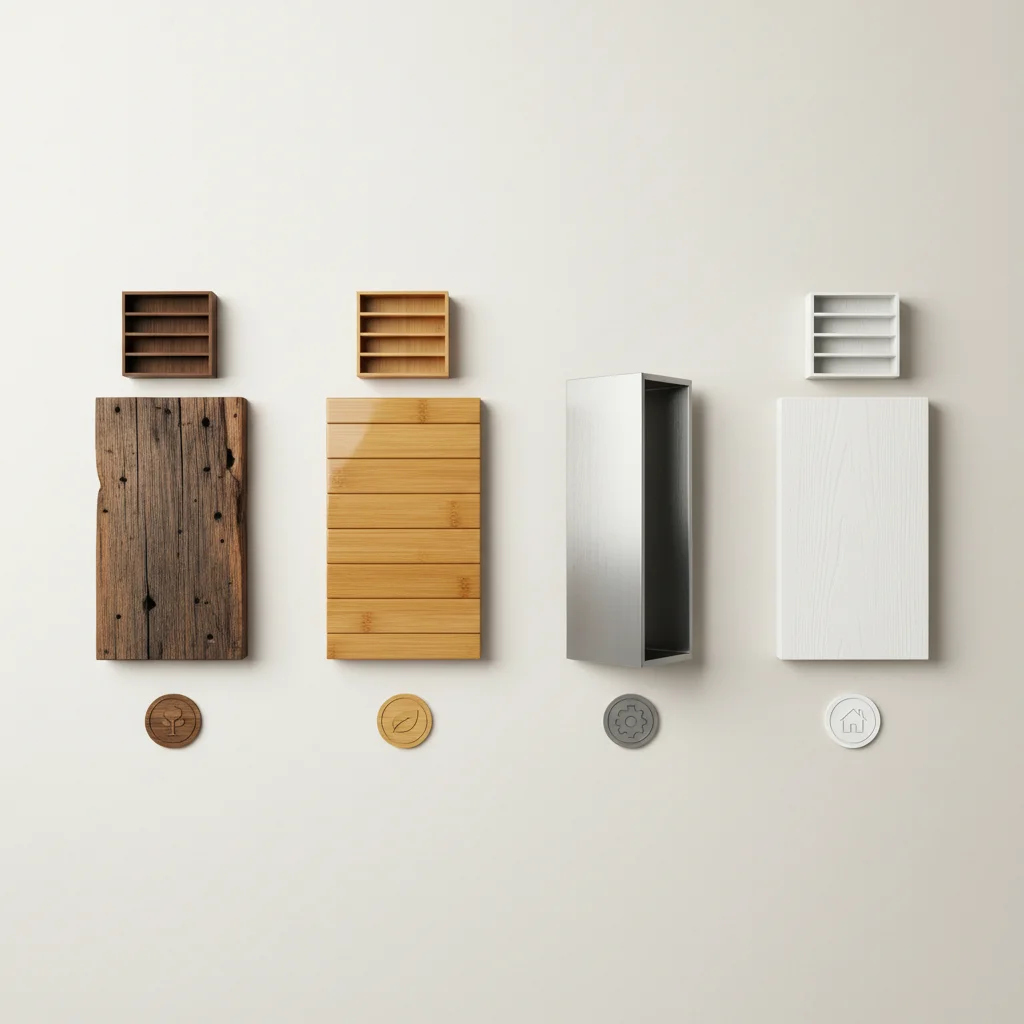
Choosing the right bookshelf materials is crucial for both durability and aesthetic appeal, and there are typically five main types to consider for your home. The material dictates not only the shelf’s strength and longevity but also how well it integrates with your existing decor. From classic wood to modern metal, each option offers distinct advantages and disadvantages that can significantly impact your storage solution.
Solid Wood Bookshelves: Timeless Strength and Beauty
Solid wood bookshelves are renowned for their classic appeal, exceptional durability, and ability to add warmth to any room. Woods like oak, maple, and cherry are popular choices, offering robust support for heavy book collections and a timeless aesthetic that can last for decades. While often a higher initial investment, solid wood can be refinished multiple times, extending its life and allowing for style updates. It’s an excellent choice for those seeking a long-term, heirloom-quality piece of furniture.
However, solid wood can be susceptible to changes in humidity and temperature, potentially leading to warping or cracking if not properly cared for. Its weight also makes it less portable than other materials. Despite these considerations, the natural grain and rich tones of solid wood provide an unmatched level of sophistication and sturdiness, making it a favorite for serious collectors and traditional interiors.
Engineered Wood Bookshelves: Affordable and Versatile
Engineered wood, including particleboard, MDF (medium-density fiberboard), and plywood, offers a more budget-friendly alternative to solid wood. These materials are made by binding wood fibers or veneers with adhesives, creating stable and consistent panels. MDF, in particular, is known for its smooth surface, making it ideal for painting and achieving a sleek, modern finish. Engineered wood bookshelves are lighter than solid wood, making them easier to move and assemble.
While generally less durable than solid wood, advancements in manufacturing have significantly improved the strength and longevity of engineered wood products. They are often laminated with veneers to mimic the look of natural wood, providing a wide range of aesthetic options at a lower cost. These materials are a practical choice for those needing functional storage without a significant investment, especially in temporary living situations or for children’s rooms.
Metal Bookshelves: Industrial Chic and High Capacity
|
Our Picks for the Best Book Shelf in 2026
As an Amazon Associate I earn from qualifying purchases.
|
||
| Num | Product | Action |
|---|---|---|
| 1 | NUMENN 5 Tier Bookshelf, Tall Bookcase Shelf Storage Organizer, Modern Book Shelf for Bedroom, Living Room and Home Office, Vintage |

|
| 2 | Mavivegue Bookcase, 18-Cube Extra Large Book Shelf, DIY Cube Storage Organizer for Bedroom, Living Room, Home Office - Black |
|
| 3 | NUMENN Bookshelf, 5 Tier Bookshelves, Home Office Bookcase Shelf Storage Organizer, Free Standing Storage Shelving Unit for Bedroom, Living Room and Home Office, Vintage |
|
| 4 | TVU 5-Tier Wooden Bookshelf, 65 Inch Tall Bookshelf with Storage, Floor Standing Modern Style Display Bookcase for Living Room, Office, Study Room, Entryway, Brown |
|
| 5 | VASAGLE Bookshelf, Tree-Shaped Bookcase with 13 Storage Shelves, Rounded Corners, 9.8”D x 33.9”W x 55.1”H, Rustic Brown ULBC67BXV1 |
|
| 6 | Furinno JAYA Book Shelf, 5-Tier Bookshelf, Bookcase with Adjustable Shelves, 9.5" x 24.5" x 71.2", for Organization and Storage, for Living Room, Bedroom, Home Office, Blackwood |
|
| 7 | VASAGLE CUSTOS Collection - Bookshelf, 6-Tier Bookcase, Book Shelf, Open Storage Shelf, 9.4 x 23.6 x 63.3 Inches, for Living Room, Home Office, Dinning Room, Cloud White ULBC166T14 |
|
| 8 | VASAGLE CUSTOS Collection - Bookshelf, 5-Tier Bookcase, Book Shelf, Open Storage Shelf, 9.4 x 23.6 x 52.8 Inches, for Living Room, Home Office, Dinning Room, Cloud White ULBC165T14 |
|
| 9 | NUMENN Triple Column 5 Tier Bookshelf, Bookcase with 14 Open Display Shelves, Adjustable Rustic Industrial Style Book Shelves, Modern Bookshelves for Bedroom, Living Room and Home Office, Vintage |
|
| 10 | DUMOS 5 Tiers Bookshelf, Classical Book Shelf, Tall Display Shelves in Living Room/Home/Office, Storage Organizer for CDs/Books/Movies, Modern Black |
|
Metal bookshelves, typically made from steel or aluminum, offer a contemporary and often industrial look. Their inherent strength makes them ideal for holding very heavy loads, making them a popular choice for large libraries or commercial spaces. Metal frames can be combined with shelves made of wood, glass, or even more metal, offering diverse design possibilities. They are also highly resistant to warping, pests, and moisture, contributing to their long lifespan.
The sleek lines and minimalist design of metal bookshelves can complement modern, industrial, or even eclectic decor styles. They are generally easy to clean and maintain, requiring little more than a wipe-down. While some may find them less warm than wood, their robust nature and high weight capacity are undeniable advantages.
Glass Bookshelves: Modern Elegance and Openness
Glass bookshelves provide a unique aesthetic, offering a sense of openness and lightness to a room. They are often used in conjunction with metal or wood frames, with tempered glass shelves providing the support. This material is excellent for displaying decorative items, art, or a curated selection of books, as it allows light to pass through, making the space feel larger and brighter. Glass shelves are also easy to clean and resistant to scratches if properly maintained.
- Tempered glass for safety and strength
- Creates an airy, open feel in a room
- Highlights displayed items effectively
- Easy to clean and maintain
- Best for lighter collections and decorative displays
However, glass is less forgiving than other materials and can be prone to breakage if subjected to heavy impacts. It also shows dust and fingerprints more readily, requiring frequent cleaning to maintain its pristine appearance. For those prioritizing a modern, minimalist, or luxurious look, glass bookshelves can be a stunning focal point, though they are generally not recommended for very heavy book collections.
Plastic Bookshelves: Lightweight and Budget-Friendly
Plastic bookshelves, typically made from durable polymers, are the most lightweight and often the most affordable option. They are highly resistant to moisture, making them suitable for areas where other materials might degrade, such as bathrooms or utility rooms. Their portability and ease of assembly make them a convenient choice for temporary storage, dorm rooms, or children’s play areas. They come in a wide array of colors and designs, offering playful and functional solutions.
While plastic bookshelves are practical for certain applications, they generally lack the aesthetic sophistication and weight capacity of wood or metal. They are best suited for lighter items and less demanding storage needs. For those seeking a highly economical, easy-to-move, and moisture-resistant storage solution, plastic can be an effective choice, though it may not offer the long-term durability or classic appeal of other materials.

I’ve been looking for a new bookshelf for ages and couldn’t decide on the material. This breakdown of solid wood options really helped me understand the value. I ended up going with an oak bookshelf, and it’s absolutely stunning and feels incredibly sturdy. It holds all my heavy art books without a problem and adds such a warm touch to my living room.
This was super helpful in narrowing down my choices. I was leaning towards particle board for the price, but after reading about its durability, I decided to invest a little more. I went with a maple veneer bookshelf, and it looks fantastic. It’s a great compromise between cost and the classic look I wanted.
I’m so glad I read this before buying my next bookshelf! I always just picked whatever looked good, but understanding the pros and cons of each material, especially cherry wood for its rich color, made a huge difference. My new cherry bookshelf is the centerpiece of my study and feels incredibly well-made.
I appreciate the info on different materials, but I was a bit disappointed with the metal shelving I bought based on some recommendations. While it’s definitely strong, the industrial look doesn’t quite blend with my decor as seamlessly as I’d hoped. It’s functional for my garage, but I wouldn’t put it in my main living space.