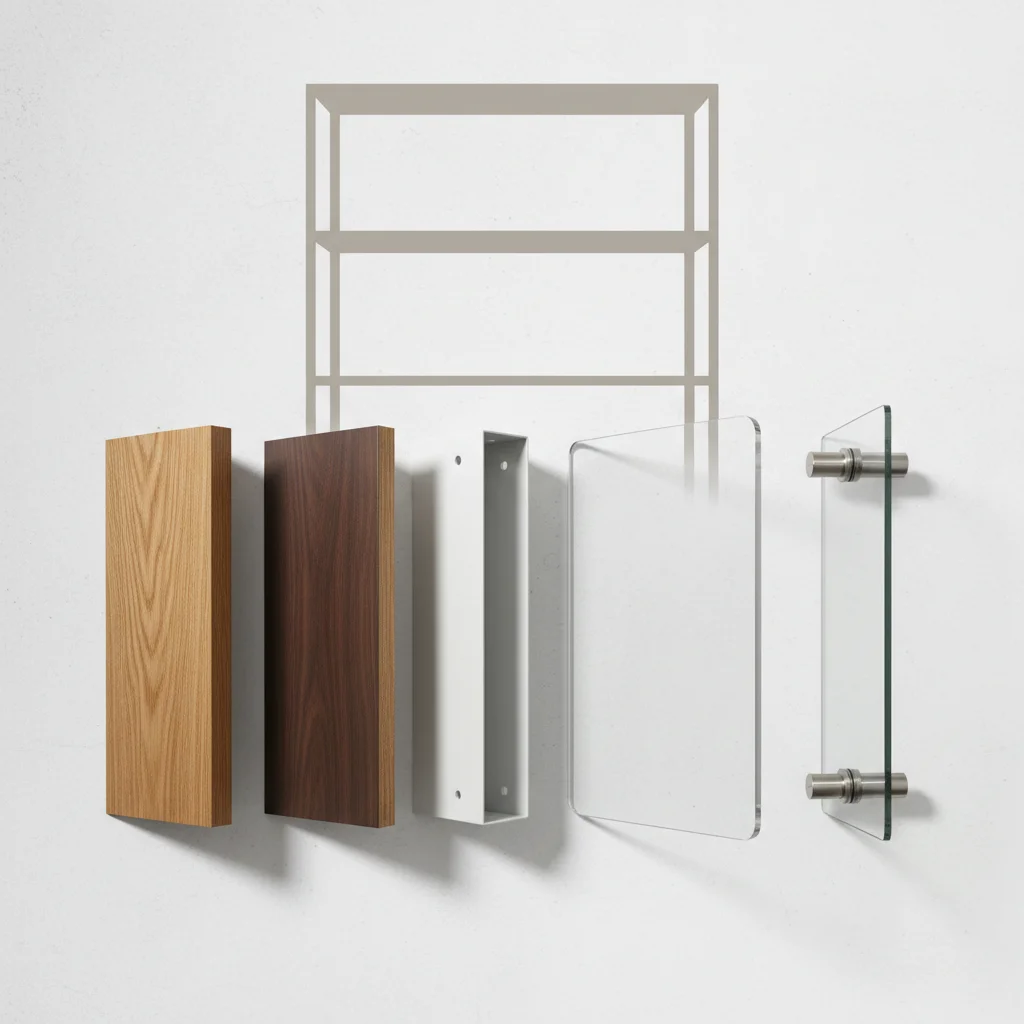
Choosing the right bookshelf materials is crucial for both durability and aesthetic appeal. The best bookshelf material for long-term use and stability is solid wood, offering superior strength and a timeless look compared to other options like particleboard or MDF. However, several other materials provide excellent alternatives depending on your budget, style preferences, and the weight of your book collection.
Solid Wood: The Gold Standard for Bookshelves
Solid wood, such as oak, maple, or pine, stands out as the most durable and long-lasting material for bookshelves. Its natural strength allows it to support significant weight without sagging or warping, making it ideal for extensive book collections. While solid wood bookshelves often come with a higher price tag, their longevity and classic appearance make them a worthwhile investment for many homeowners. They can also be refinished multiple times, extending their lifespan even further. For complete home furniture library on this site.
Engineered Wood Options: MDF and Particleboard
Medium-density fiberboard (MDF) and particleboard are common engineered wood options for more budget-friendly bookshelves. MDF is made from wood fibers, resin, and wax, pressed into dense panels. It offers a smooth surface for painting and is more resistant to warping than natural wood in some conditions. Particleboard, made from wood chips and resin, is the least expensive option but also the least durable, prone to sagging and damage from moisture. These materials are often used in mass-produced furniture and can be a good choice for lighter loads or temporary storage solutions.
Metal Bookshelves: Modern Strength and Industrial Style
|
Our Picks for the Best Book Shelf in 2026
As an Amazon Associate I earn from qualifying purchases.
|
||
| Num | Product | Action |
|---|---|---|
| 1 | Furinno JAYA Book Shelf, 5-Tier Bookshelf, Bookcase with Adjustable Shelves, 9.5" x 24.5" x 71.2", for Organization and Storage, for Living Room, Bedroom, Home Office, Blackwood |

|
| 2 | NUMENN Triple Column 5 Tier Bookshelf, Bookcase with 14 Open Display Shelves, Adjustable Rustic Industrial Style Book Shelves, Modern Bookshelves for Bedroom, Living Room and Home Office, Vintage |
|
| 3 | DUMOS 5 Tiers Bookshelf, Classical Book Shelf, Tall Display Shelves in Living Room/Home/Office, Storage Organizer for CDs/Books/Movies, Modern Black |
|
| 4 | VASAGLE CUSTOS Collection - Bookshelf, 5-Tier Bookcase, Book Shelf, Open Storage Shelf, 9.4 x 23.6 x 52.8 Inches, for Living Room, Home Office, Dinning Room, Cloud White ULBC165T14 |
|
| 5 | NUMENN Bookshelf, 5 Tier Bookshelves, Home Office Bookcase Shelf Storage Organizer, Free Standing Storage Shelving Unit for Bedroom, Living Room and Home Office, Vintage |
|
| 6 | TVU 5-Tier Wooden Bookshelf, 65 Inch Tall Bookshelf with Storage, Floor Standing Modern Style Display Bookcase for Living Room, Office, Study Room, Entryway, Brown |
|
| 7 | VASAGLE CUSTOS Collection - Bookshelf, 6-Tier Bookcase, Book Shelf, Open Storage Shelf, 9.4 x 23.6 x 63.3 Inches, for Living Room, Home Office, Dinning Room, Cloud White ULBC166T14 |
|
| 8 | Mavivegue Bookcase, 18-Cube Extra Large Book Shelf, DIY Cube Storage Organizer for Bedroom, Living Room, Home Office - Black |
|
| 9 | VASAGLE Bookshelf, Tree-Shaped Bookcase with 13 Storage Shelves, Rounded Corners, 9.8”D x 33.9”W x 55.1”H, Rustic Brown ULBC67BXV1 |
|
| 10 | NUMENN 5 Tier Bookshelf, Tall Bookcase Shelf Storage Organizer, Modern Book Shelf for Bedroom, Living Room and Home Office, Vintage |
|
Metal bookshelves, typically made from steel or aluminum, offer exceptional strength and a contemporary, industrial aesthetic. They are highly resistant to warping, sagging, and moisture damage, making them a durable choice for heavy collections or humid environments. Metal frames combined with wood or glass shelves can provide a stylish contrast. While metal bookshelves can be more expensive than engineered wood, their robust construction ensures they will last for many years with minimal maintenance.
Glass Bookshelves: Elegant and Open Designs
Glass bookshelves provide an elegant and open look, making rooms feel larger and brighter. They are often used for displaying decorative items or smaller collections of books. While the glass shelves themselves are strong, the overall weight capacity depends heavily on the thickness of the glass and the support structure, which is often metal or a combination of wood and metal. Glass is susceptible to scratches and fingerprints, requiring more frequent cleaning, but offers a sophisticated touch to any decor.
Hybrid Bookshelves: Combining Materials for Best Results
Many modern bookshelves utilize a combination of materials to leverage the strengths of each. For example, a common design features a sturdy metal frame with solid wood shelves, offering both industrial strength and natural warmth. Another popular hybrid uses engineered wood for the main structure and solid wood for visible accents or trim, balancing cost and aesthetics. These hybrid designs often provide a good compromise between durability, style, and price point.
- Solid wood offers unmatched durability and classic appeal.
- MDF provides a smooth finish and good stability for its price.
- Metal delivers superior strength and a modern, industrial look.
- Glass creates an open, elegant display but requires careful handling.
- Hybrid designs combine materials for balanced performance and style.
