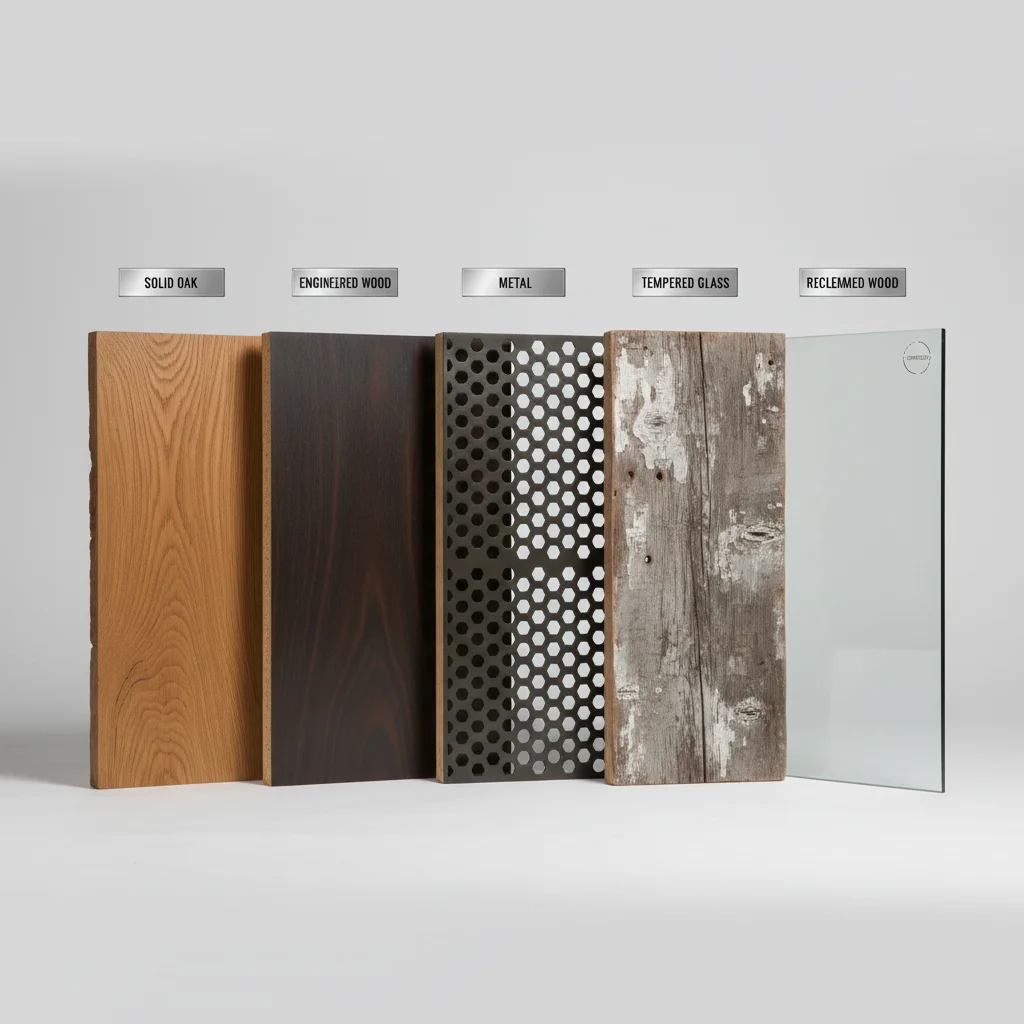
Choosing the right bookshelf material is crucial for both durability and aesthetic appeal. The best bookshelf material for long-term use and stability is solid wood, specifically hardwoods like oak or maple, which offer superior strength and resistance to warping compared to other common options.
Understanding Common Bookshelf Materials
Bookshelves are crafted from a variety of materials, each with distinct characteristics affecting their longevity and appearance. Particleboard, often found in budget-friendly furniture, is made from wood chips and resin. While affordable, it’s highly susceptible to moisture damage and can sag under heavy loads over time. MDF (Medium-Density Fiberboard) is a step up, offering a smoother finish and better resistance to warping than particleboard, but it still lacks the inherent strength of solid wood. For best home furniture roundups on this site.
Plywood, constructed from thin layers of wood veneer glued together, provides a good balance of strength and cost-effectiveness. It’s more durable than particleboard or MDF and less prone to warping. However, its edges often require finishing to conceal the layered construction.
Solid Wood: The Gold Standard for Durability
Solid wood bookshelves, particularly those made from hardwoods, represent the pinnacle of durability. Oak, maple, and cherry are renowned for their strength, resistance to dents and scratches, and ability to support substantial weight without sagging. These woods also age beautifully, developing a rich patina over years of use. While the initial investment is higher, a solid wood bookshelf can last for decades, often becoming a cherished family heirloom. Softwoods like pine are also used, offering a more rustic look and being lighter, but they are more prone to dents and scratches than hardwoods.
- Oak: Exceptional strength and durability, prominent grain.
- Maple: Very hard, fine grain, resistant to dents.
- Cherry: Rich color, smooth finish, develops patina over time.
- Walnut: Dark, luxurious, strong but can be more expensive.
- Pine: Lighter, more affordable, but softer and more susceptible to damage.
Metal and Glass Bookshelves: Modern Alternatives
|
Our Picks for the Best Book Shelf in 2026
As an Amazon Associate I earn from qualifying purchases.
|
||
| Num | Product | Action |
|---|---|---|
| 1 | NUMENN 5 Tier Bookshelf, Tall Bookcase Shelf Storage Organizer, Modern Book Shelf for Bedroom, Living Room and Home Office, Vintage |

|
| 2 | VASAGLE CUSTOS Collection - Bookshelf, 6-Tier Bookcase, Book Shelf, Open Storage Shelf, 9.4 x 23.6 x 63.3 Inches, for Living Room, Home Office, Dinning Room, Cloud White ULBC166T14 |
|
| 3 | Furinno JAYA Book Shelf, 5-Tier Bookshelf, Bookcase with Adjustable Shelves, 9.5" x 24.5" x 71.2", for Organization and Storage, for Living Room, Bedroom, Home Office, Blackwood |
|
| 4 | VASAGLE CUSTOS Collection - Bookshelf, 5-Tier Bookcase, Book Shelf, Open Storage Shelf, 9.4 x 23.6 x 52.8 Inches, for Living Room, Home Office, Dinning Room, Cloud White ULBC165T14 |
|
| 5 | NUMENN Triple Column 5 Tier Bookshelf, Bookcase with 14 Open Display Shelves, Adjustable Rustic Industrial Style Book Shelves, Modern Bookshelves for Bedroom, Living Room and Home Office, Vintage |
|
| 6 | TVU 5-Tier Wooden Bookshelf, 65 Inch Tall Bookshelf with Storage, Floor Standing Modern Style Display Bookcase for Living Room, Office, Study Room, Entryway, Brown |
|
| 7 | NUMENN Bookshelf, 5 Tier Bookshelves, Home Office Bookcase Shelf Storage Organizer, Free Standing Storage Shelving Unit for Bedroom, Living Room and Home Office, Vintage |
|
| 8 | Mavivegue Bookcase, 18-Cube Extra Large Book Shelf, DIY Cube Storage Organizer for Bedroom, Living Room, Home Office - Black |
|
| 9 | VASAGLE Bookshelf, Tree-Shaped Bookcase with 13 Storage Shelves, Rounded Corners, 9.8”D x 33.9”W x 55.1”H, Rustic Brown ULBC67BXV1 |
|
| 10 | DUMOS 5 Tiers Bookshelf, Classical Book Shelf, Tall Display Shelves in Living Room/Home/Office, Storage Organizer for CDs/Books/Movies, Modern Black |
|
Metal bookshelves, often constructed from steel or wrought iron, offer exceptional strength and a contemporary industrial aesthetic. They are highly resistant to sagging and can support very heavy loads, making them ideal for extensive book collections or commercial settings. Metal frames can be combined with shelves made from wood, glass, or even wire mesh. Glass bookshelves, while visually light and modern, are generally less durable in terms of impact resistance. Tempered glass is used for safety, but it can still chip or break if subjected to significant force. They are best suited for displaying decorative items or lighter book collections.
When considering metal bookshelves, look for powder-coated finishes for added scratch and rust resistance. For glass shelves, ensure the thickness is appropriate for the intended load; typically, 8mm or thicker is recommended for books.
Factors Influencing Bookshelf Longevity
Beyond the primary material, several other factors contribute to a bookshelf’s overall longevity. The quality of construction, including joinery methods (dovetail joints are superior to simple screws), significantly impacts stability. The finish also plays a role; a good sealant or lacquer protects the wood from moisture and wear. Furthermore, proper assembly and placement are critical. Ensuring the bookshelf is on a level surface and anchored to the wall, especially for taller units, prevents wobbling and potential damage. Regular maintenance, such as dusting and occasional polishing for wood, will also extend its life.
Ultimately, investing in a bookshelf made from high-quality materials and solid construction will pay dividends in terms of durability and aesthetic appeal for years to come. Consider your budget, the weight of your collection, and your desired style when making your selection.
