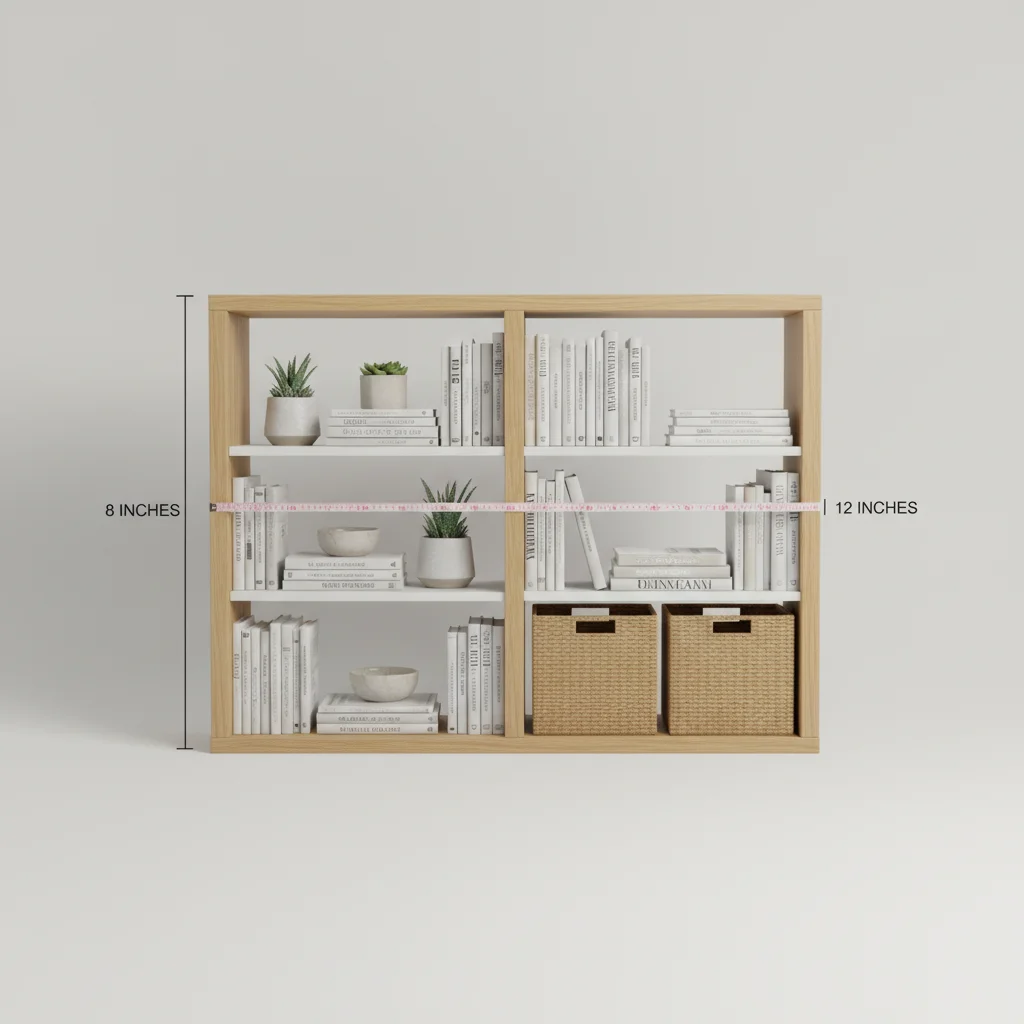
The ideal bookshelf depth for most standard paperbacks and hardcovers is between 8 and 12 inches. This range ensures your books are adequately supported without excessive wasted space behind them, which can lead to dust accumulation and make retrieving items difficult. While some decorative items or oversized art books might require deeper shelves, a depth within this standard range will accommodate the vast majority of your collection efficiently.
Understanding Standard Book Sizes
Most mass-market paperbacks are around 7 inches tall and 4.25 inches deep. Trade paperbacks and standard hardcovers typically range from 8 to 9.5 inches tall and 5.5 to 6.5 inches deep. Larger coffee table books or art books can be significantly deeper, sometimes exceeding 10 or 12 inches. When planning your bookshelf depth, consider the predominant size of your collection. If you primarily own standard novels, a shallower shelf will be more practical and aesthetically pleasing. For expert home furniture reviews on this site.
Optimizing Depth for Different Collections
For a general-purpose bookshelf that will house a mix of books, a depth of 10 inches is often a good compromise. This allows for most standard books to sit comfortably with a slight overhang, making them easy to grasp. If your collection leans heavily towards oversized volumes, such as encyclopedias or large art books, you might need shelves that are 12 to 14 inches deep. Conversely, if you only collect small paperbacks, a depth of 8 inches could be sufficient, saving valuable floor space.
- Standard paperbacks: 7-8 inches deep
- Hardcovers and trade paperbacks: 8-10 inches deep
- Oversized books and display items: 10-14 inches deep
- Decorative objects: Varies based on item, consider overall aesthetic
The Impact of Bookshelf Depth on Stability and Aesthetics
|
Our Picks for the Best Book Shelf in 2026
As an Amazon Associate I earn from qualifying purchases.
|
||
| Num | Product | Action |
|---|---|---|
| 1 | VASAGLE CUSTOS Collection - Bookshelf, 6-Tier Bookcase, Book Shelf, Open Storage Shelf, 9.4 x 23.6 x 63.3 Inches, for Living Room, Home Office, Dinning Room, Cloud White ULBC166T14 |

|
| 2 | Furinno JAYA Book Shelf, 5-Tier Bookshelf, Bookcase with Adjustable Shelves, 9.5" x 24.5" x 71.2", for Organization and Storage, for Living Room, Bedroom, Home Office, Blackwood |
|
| 3 | VASAGLE CUSTOS Collection - Bookshelf, 5-Tier Bookcase, Book Shelf, Open Storage Shelf, 9.4 x 23.6 x 52.8 Inches, for Living Room, Home Office, Dinning Room, Cloud White ULBC165T14 |
|
| 4 | NUMENN Triple Column 5 Tier Bookshelf, Bookcase with 14 Open Display Shelves, Adjustable Rustic Industrial Style Book Shelves, Modern Bookshelves for Bedroom, Living Room and Home Office, Vintage |
|
| 5 | NUMENN 5 Tier Bookshelf, Tall Bookcase Shelf Storage Organizer, Modern Book Shelf for Bedroom, Living Room and Home Office, Vintage |
|
| 6 | NUMENN Bookshelf, 5 Tier Bookshelves, Home Office Bookcase Shelf Storage Organizer, Free Standing Storage Shelving Unit for Bedroom, Living Room and Home Office, Vintage |
|
| 7 | VASAGLE Bookshelf, Tree-Shaped Bookcase with 13 Storage Shelves, Rounded Corners, 9.8”D x 33.9”W x 55.1”H, Rustic Brown ULBC67BXV1 |
|
| 8 | Mavivegue Bookcase, 18-Cube Extra Large Book Shelf, DIY Cube Storage Organizer for Bedroom, Living Room, Home Office - Black |
|
| 9 | TVU 5-Tier Wooden Bookshelf, 65 Inch Tall Bookshelf with Storage, Floor Standing Modern Style Display Bookcase for Living Room, Office, Study Room, Entryway, Brown |
|
| 10 | DUMOS 5 Tiers Bookshelf, Classical Book Shelf, Tall Display Shelves in Living Room/Home/Office, Storage Organizer for CDs/Books/Movies, Modern Black |
|
While depth primarily affects storage capacity, it also plays a role in the stability and visual appeal of your bookshelf. Deeper shelves can sometimes appear bulkier, especially in smaller rooms. However, they can also offer more stability for taller books or when displaying heavier items. Shallower shelves, on the other hand, can create a more streamlined and minimalist look, but might require more frequent use of bookends to prevent books from toppling over. Always consider the overall design of your room and the intended use of the bookshelf.
Practical Considerations for Bookshelf Depth
Beyond book sizes, think about other items you might want to store or display. Decorative vases, small sculptures, or framed photos often have varying depths. If your bookshelf is also intended for media storage, such as DVDs or video games, these items typically require less depth than books. Measure any non-book items you plan to place on the shelves to ensure they fit without protruding too much or getting lost in excessive depth. A well-planned depth ensures functionality and visual harmony.
When selecting a new bookshelf, always check the manufacturer’s specifications for shelf depth. Some modular systems allow for adjustable depths, which can be a significant advantage for diverse collections. For custom-built solutions, precise measurements are crucial. Remember that the usable depth might be slightly less than the overall shelf depth due to any lip or frame.Consider a bookshelf with adjustable shelves to accommodate future changes in your collection.This flexibility can save you from needing to purchase new furniture as your needs evolve.
