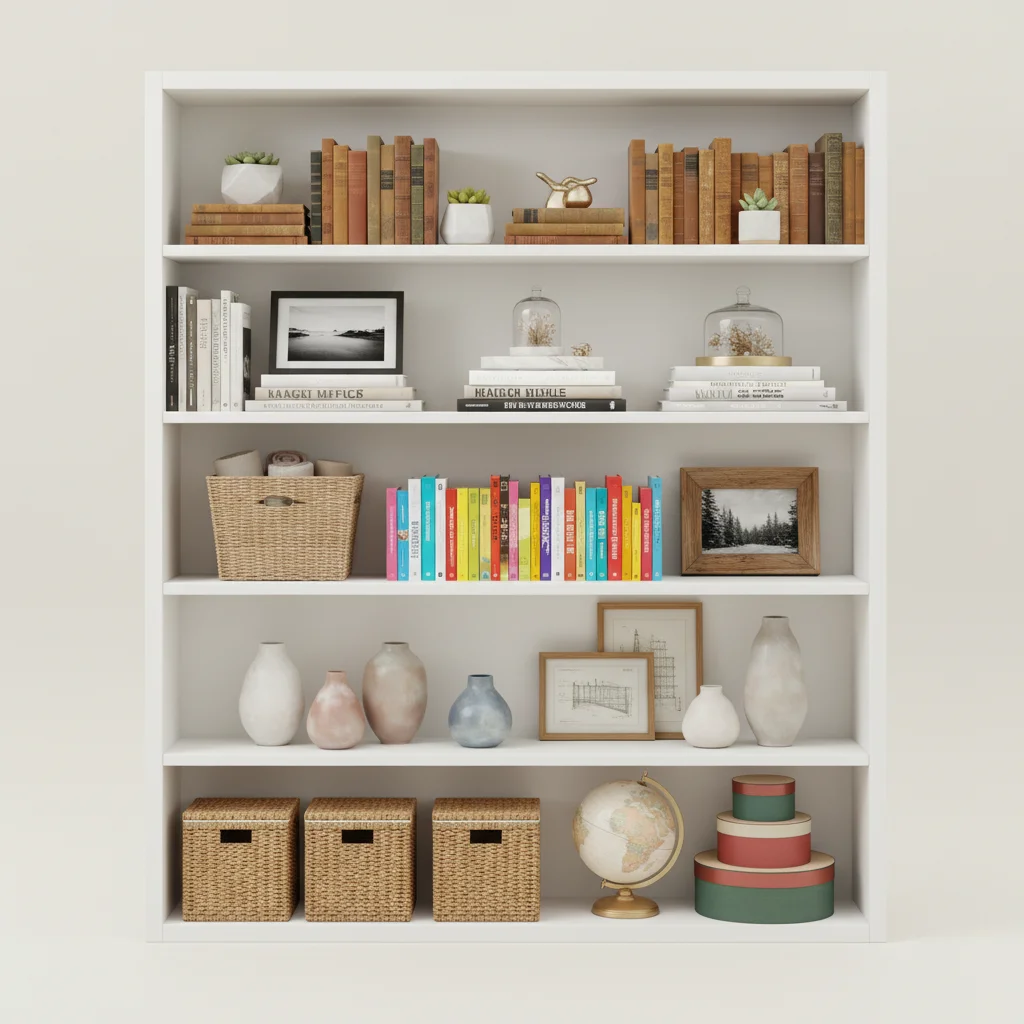
Styling a bookshelf effectively involves balancing books with diverse decorative objects, incorporating varied textures, and arranging items thoughtfully to create visual interest. By following five essential tips, you can transform a functional storage unit into a captivating display that reflects your personal aesthetic and enhances your living space. This approach ensures your bookshelf is both organized and visually appealing.
Curate Your Collection: Beyond Just Books
While books are the core of any bookshelf, an engaging display integrates a variety of items that tell a story or hold sentimental value. These can include small sculptures, framed photos, unique vases, or interesting rock collections. The aim is to break up the visual monotony of book spines and infuse personality. Grouping books by color or size creates a cohesive look, while stacking a few horizontally provides a platform for decorative items. Remember, avoid overcrowding to allow each piece to stand out.
Embrace the Power of Three: Grouping Objects
A fundamental interior design principle is the rule of three, which suggests grouping items in odd numbers, typically three, for a more dynamic and visually appealing arrangement. For instance, combine a small plant, a decorative box, and a unique bookend. Vary the heights and textures within these groupings to add depth and interest, preventing a cluttered appearance and guiding the eye smoothly across the shelves.
- Combine books with small sculptures.
- Integrate framed personal photographs.
- Display unique ceramic or glass vases.
- Showcase interesting travel souvenirs.
- Add small potted plants for a touch of greenery.
Play with Texture and Material Contrast
|
Our Picks for the Best Book Shelf in 2026
As an Amazon Associate I earn from qualifying purchases.
|
||
| Num | Product | Action |
|---|---|---|
| 1 | NUMENN 5 Tier Bookshelf, Tall Bookcase Shelf Storage Organizer, Modern Book Shelf for Bedroom, Living Room and Home Office, Vintage |

|
| 2 | TVU 5-Tier Wooden Bookshelf, 65 Inch Tall Bookshelf with Storage, Floor Standing Modern Style Display Bookcase for Living Room, Office, Study Room, Entryway, Brown |
|
| 3 | VASAGLE CUSTOS Collection - Bookshelf, 5-Tier Bookcase, Book Shelf, Open Storage Shelf, 9.4 x 23.6 x 52.8 Inches, for Living Room, Home Office, Dinning Room, Cloud White ULBC165T14 |
|
| 4 | VASAGLE CUSTOS Collection - Bookshelf, 6-Tier Bookcase, Book Shelf, Open Storage Shelf, 9.4 x 23.6 x 63.3 Inches, for Living Room, Home Office, Dinning Room, Cloud White ULBC166T14 |
|
| 5 | NUMENN Bookshelf, 5 Tier Bookshelves, Home Office Bookcase Shelf Storage Organizer, Free Standing Storage Shelving Unit for Bedroom, Living Room and Home Office, Vintage |
|
| 6 | VASAGLE Bookshelf, Tree-Shaped Bookcase with 13 Storage Shelves, Rounded Corners, 9.8”D x 33.9”W x 55.1”H, Rustic Brown ULBC67BXV1 |
|
| 7 | NUMENN Triple Column 5 Tier Bookshelf, Bookcase with 14 Open Display Shelves, Adjustable Rustic Industrial Style Book Shelves, Modern Bookshelves for Bedroom, Living Room and Home Office, Vintage |
|
| 8 | Mavivegue Bookcase, 18-Cube Extra Large Book Shelf, DIY Cube Storage Organizer for Bedroom, Living Room, Home Office - Black |
|
| 9 | DUMOS 5 Tiers Bookshelf, Classical Book Shelf, Tall Display Shelves in Living Room/Home/Office, Storage Organizer for CDs/Books/Movies, Modern Black |
|
| 10 | Furinno JAYA Book Shelf, 5-Tier Bookshelf, Bookcase with Adjustable Shelves, 9.5" x 24.5" x 71.2", for Organization and Storage, for Living Room, Bedroom, Home Office, Blackwood |
|
Introducing different textures and materials significantly enhances a bookshelf’s visual appeal. If your bookshelf is smooth wood, add items with rougher textures like woven baskets, ceramic pieces, or fabric-bound books. Conversely, for an industrial metal frame, soften it with delicate glass objects or plush textiles. This contrast creates a richer, more layered look that is pleasing to the eye.
Utilize Vertical and Horizontal Stacking
Incorporate both vertical and horizontal stacking to create visual breaks and platforms for other decor, rather than just lining up books vertically. A stack of two or three books laid horizontally can serve as an ideal pedestal for a small plant or decorative figurine. This variation in orientation adds a professional, curated feel to your display and prevents the bookshelf from appearing too rigid or uniform. Experiment with different arrangements to achieve balance and aesthetic appeal.
Incorporate Greenery and Lighting
Plants bring life and freshness to any space, and bookshelves benefit greatly from them. Small potted plants, succulents, or trailing ivy add a vibrant touch of nature. Choose plants that are low-maintenance and don’t require excessive light. Additionally, consider subtle lighting; small LED strip lights or battery-operated puck lights can highlight specific sections or objects, creating a warm and inviting ambiance, especially in the evenings.
Frequently Asked Questions
What is the best way to start decorating a bookshelf?
The best way to start decorating a bookshelf is by curating your collection to include both books and meaningful decorative objects. Aim for a balance where approximately 50% of the space is dedicated to books and the other 50% to items like sculptures, framed photos, or vases. This creates visual interest and personalizes the display.
How can I make my bookshelf look less cluttered?
To make your bookshelf look less cluttered, apply the 'rule of three' by grouping decorative objects in odd numbers, typically three. Vary the heights and textures within these groupings to add depth. Additionally, avoid overcrowding shelves, allowing each item sufficient space to breathe and be appreciated.
Should books always be stacked vertically on a shelf?
No, books should not always be stacked vertically. Incorporate both vertical and horizontal stacking to create visual breaks and platforms for other decor. A stack of two or three books laid horizontally can serve as a perfect pedestal for a small plant or a decorative figurine, adding a curated feel.
What types of decorative items work well on bookshelves?
Decorative items that work well on bookshelves include small sculptures, framed personal photographs, unique ceramic or glass vases, interesting travel souvenirs, and small potted plants. These items add personality, texture, and visual breaks from the books, enhancing the overall aesthetic.
How can lighting improve a bookshelf's appearance?
Lighting can significantly improve a bookshelf's appearance by highlighting specific sections or objects and creating a warm, inviting ambiance. Small LED strip lights or battery-operated puck lights are excellent choices for subtle illumination, especially in the evenings, drawing attention to your curated display.
How to Style a Bookshelf
Transform your bookshelf into a visually appealing display by following these simple steps, balancing books with decorative elements and incorporating texture and light.
Begin by selecting a mix of books and decorative objects that hold personal meaning or visual appeal. Aim to break up the monotony of book spines with items like small sculptures, framed photos, or unique vases. Consider grouping books by color or size for a cohesive look.
Apply the 'rule of three' by arranging decorative items in odd-numbered groupings, typically three. Vary the heights and textures within these groups to create a dynamic and visually appealing arrangement. This technique helps prevent a cluttered appearance and guides the eye smoothly.
Introduce different textures and materials to add depth and visual interest. If your bookshelf is smooth, add items with rougher textures like woven baskets or ceramic pieces. Conversely, soften industrial shelves with delicate glass or plush textiles to create a richer, layered look.
Combine both vertical and horizontal stacking of books to create visual breaks and platforms for other decor. A stack of two or three books laid horizontally can serve as a pedestal for a small plant or figurine. This variation adds a professional, curated feel to your display.
Incorporate small potted plants, succulents, or trailing ivy to bring life and freshness to your bookshelf. Additionally, consider subtle lighting like LED strip lights or battery-operated puck lights to highlight specific sections or objects, creating a warm and inviting ambiance.

I found the tips helpful for general styling, especially about incorporating varied textures. However, I was hoping for a bit more specific brand recommendations for decorative objects. It’s hard to know where to start looking for unique vases or small sculptures that aren’t too expensive. Still, it gave me a good starting point to rethink my bookshelf decor.
I loved the tip about curating your collection beyond just books! I always struggled with making my bookshelves look interesting, but adding a few small sculptures and a unique vase really made a difference. It feels so much more personalized now and less like just a storage unit. Definitely recommend trying this approach for a more captivating display.
This was exactly what I needed! My living room bookshelf was looking pretty bland, and the idea of balancing books with diverse decorative objects really resonated. I went out and found some framed photos and a cool rock collection I had stored away, and now my bookshelf actually tells a story. It’s not just functional, it’s a focal point.
The advice on grouping books by color or size was a game-changer for me. My shelves used to look so chaotic, but now they have a much more cohesive and organized feel. I also tried stacking a few horizontally, which created a nice platform for a small plant. It’s amazing how these simple changes can transform a space.