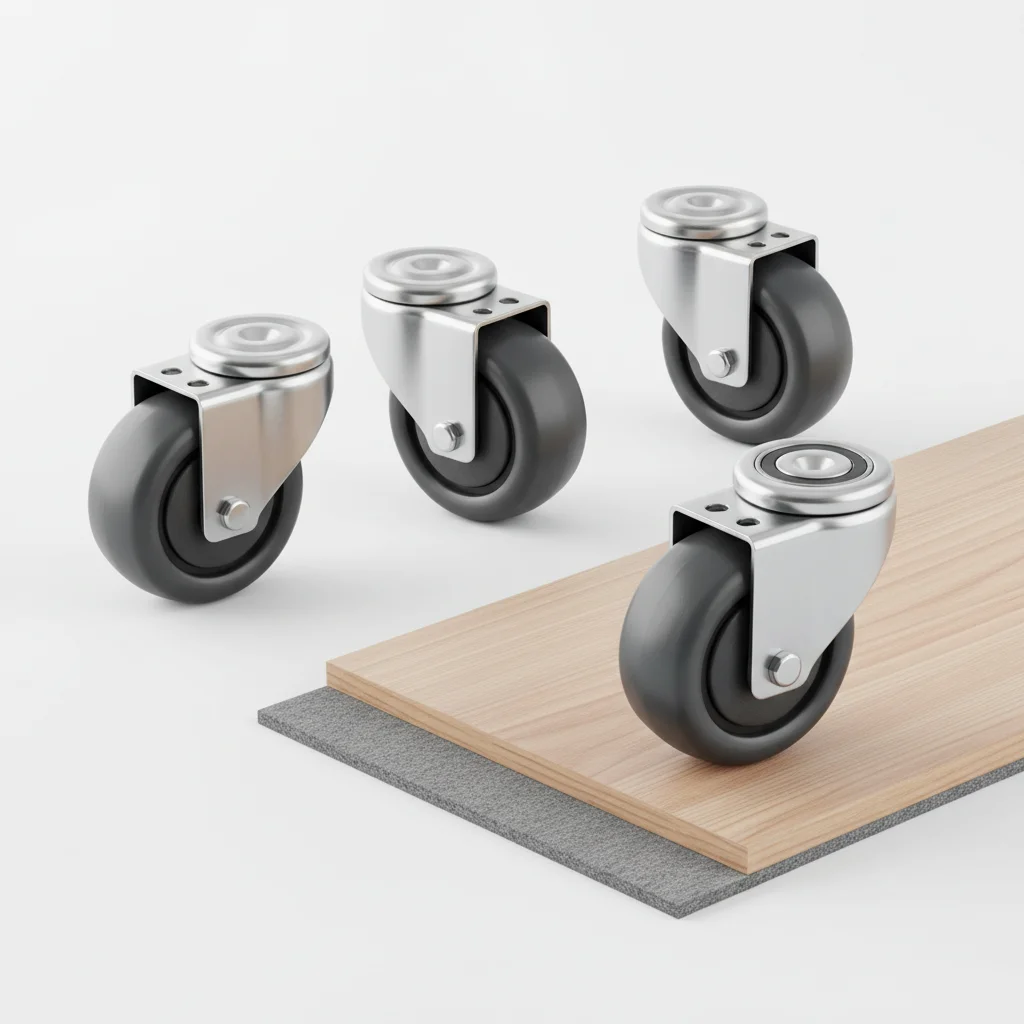
Bookshelf casters, while offering convenient mobility, can indeed damage floors if not properly selected and maintained. The extent of the damage depends on several factors, including the type of caster material, the weight of the bookshelf and its contents, and the flooring material itself. For instance, hard plastic or metal casters are more likely to scratch or dent hardwood and laminate floors, whereas softer rubber or polyurethane casters offer better protection. Understanding these variables is crucial for preserving your flooring.
Understanding Caster Materials and Floor Compatibility
The material of your bookshelf casters is the primary determinant of potential floor damage. Hard casters, often made from nylon or rigid plastic, are excellent for moving heavy loads on carpeted surfaces but can leave permanent marks on softer floors like vinyl, linoleum, or even some types of tile. Metal casters, while durable, are almost guaranteed to scratch or gouge wood and laminate if not used with extreme caution or protective mats. Conversely, soft casters, typically made from rubber, polyurethane, or thermoplastic rubber (TPR), are designed to be gentle on delicate surfaces. These materials absorb impact and distribute weight more evenly, significantly reducing the risk of scratches and dents. When selecting casters, always consider the specific flooring in the room where the bookshelf will reside.
Weight Distribution and Load Capacity
Beyond the caster material, the total weight of your bookshelf and its contents plays a significant role in floor protection. An overloaded bookshelf, even with appropriate casters, can exert excessive pressure on a small contact area, leading to indentations or damage. It’s essential to ensure that the casters you choose have a combined weight capacity that comfortably exceeds the total weight of the fully loaded bookshelf. Distributing the weight evenly across all casters also helps prevent localized stress points on your floor. For very heavy bookshelves, consider casters with wider wheels or a greater surface area to spread the load more effectively. Regular checks for loose or damaged casters are also important, as a single faulty caster can concentrate weight and cause damage.
Protective Measures for Delicate Flooring
|
Our Picks for the Best Book Shelf in 2026
As an Amazon Associate I earn from qualifying purchases.
|
||
| Num | Product | Action |
|---|---|---|
| 1 | DUMOS 5 Tiers Bookshelf, Classical Book Shelf, Tall Display Shelves in Living Room/Home/Office, Storage Organizer for CDs/Books/Movies, Modern Black |

|
| 2 | VASAGLE Bookshelf, Tree-Shaped Bookcase with 13 Storage Shelves, Rounded Corners, 9.8”D x 33.9”W x 55.1”H, Rustic Brown ULBC67BXV1 |
|
| 3 | TVU 5-Tier Wooden Bookshelf, 65 Inch Tall Bookshelf with Storage, Floor Standing Modern Style Display Bookcase for Living Room, Office, Study Room, Entryway, Brown |
|
| 4 | VASAGLE CUSTOS Collection - Bookshelf, 6-Tier Bookcase, Book Shelf, Open Storage Shelf, 9.4 x 23.6 x 63.3 Inches, for Living Room, Home Office, Dinning Room, Cloud White ULBC166T14 |
|
| 5 | Furinno JAYA Book Shelf, 5-Tier Bookshelf, Bookcase with Adjustable Shelves, 9.5" x 24.5" x 71.2", for Organization and Storage, for Living Room, Bedroom, Home Office, Blackwood |
|
| 6 | NUMENN Triple Column 5 Tier Bookshelf, Bookcase with 14 Open Display Shelves, Adjustable Rustic Industrial Style Book Shelves, Modern Bookshelves for Bedroom, Living Room and Home Office, Vintage |
|
| 7 | NUMENN 5 Tier Bookshelf, Tall Bookcase Shelf Storage Organizer, Modern Book Shelf for Bedroom, Living Room and Home Office, Vintage |
|
| 8 | Mavivegue Bookcase, 18-Cube Extra Large Book Shelf, DIY Cube Storage Organizer for Bedroom, Living Room, Home Office - Black |
|
| 9 | VASAGLE CUSTOS Collection - Bookshelf, 5-Tier Bookcase, Book Shelf, Open Storage Shelf, 9.4 x 23.6 x 52.8 Inches, for Living Room, Home Office, Dinning Room, Cloud White ULBC165T14 |
|
| 10 | NUMENN Bookshelf, 5 Tier Bookshelves, Home Office Bookcase Shelf Storage Organizer, Free Standing Storage Shelving Unit for Bedroom, Living Room and Home Office, Vintage |
|
For those with delicate flooring such as antique hardwood, polished concrete, or luxury vinyl plank, implementing protective measures is highly recommended. Floor mats or rugs placed under the bookshelf can provide an effective barrier against caster damage. These mats should be large enough to accommodate the full range of motion of the bookshelf. Another option is to use caster cups, which are small, protective caps that fit over the casters, distributing the weight over a larger area and preventing direct contact between the caster and the floor. For semi-permanent placements, consider removing the casters after initial positioning and replacing them with felt pads or glides, which offer superior floor protection for stationary furniture.
Maintenance and Regular Inspection
Even with the right casters and protective measures, regular maintenance and inspection are vital for preventing floor damage. Casters can accumulate dust, dirt, and debris, which can act as abrasive agents, scratching your floors as the bookshelf moves. Periodically clean the casters, removing any trapped hair or grit. Check for signs of wear and tear, such as cracks in the caster material or loose axles. Worn-out casters can become uneven, leading to concentrated pressure points and potential floor damage. Replacing damaged casters promptly can save you from costly floor repairs down the line. A simple visual inspection every few months can go a long way in preserving both your bookshelf’s mobility and your floor’s integrity.
- Choose soft rubber or polyurethane casters for hardwood and delicate floors.
- Ensure total caster weight capacity exceeds the fully loaded bookshelf’s weight.
- Utilize floor mats or caster cups for added protection on sensitive surfaces.
- Regularly clean casters to remove debris and prevent abrasive scratching.
- Inspect casters for wear and damage, replacing them as needed.
When to Consider Alternatives to Casters
While casters offer convenience, there are situations where alternatives might be a better choice to protect your floors. If your bookshelf will be largely stationary, or if you have extremely delicate or expensive flooring, consider using furniture glides or felt pads instead of casters. Glides allow for some movement for cleaning or repositioning but do not have the same potential for concentrated pressure points as casters. For very heavy, infrequently moved bookshelves, permanent furniture sliders can be installed, which offer excellent floor protection and ease of movement when necessary. Ultimately, the decision should balance the need for mobility with the priority of preserving your flooring.

I was really worried about putting casters on my new bookshelf because I have beautiful hardwood floors. This information about softer rubber or polyurethane casters was a lifesaver! I ended up getting some with soft rubber wheels, and so far, no scratches or dents. It’s so much easier to clean behind the shelf now.
I appreciate the breakdown of caster materials. I bought a bookshelf with hard plastic casters a while back, thinking they’d be fine on my laminate. Turns out, they’ve left some minor scuff marks. Wish I’d known about the difference between hard and soft casters sooner. It’s not terrible, but definitely noticeable.
This was exactly what I needed! I’m constantly rearranging my living room, and my old bookshelf was a nightmare to move. Knowing that hard casters are better for carpeted surfaces was key. I swapped out the old ones for some sturdy nylon casters, and now I can slide my fully loaded bookshelf around with ease. My back thanks you!
I’ve always avoided casters because I assumed they’d ruin my vinyl floors. The explanation about how the weight of the bookshelf and its contents impacts potential damage really made sense. I’m planning to get a smaller, lighter bookshelf for my office, and now I feel confident choosing the right casters to protect my flooring.