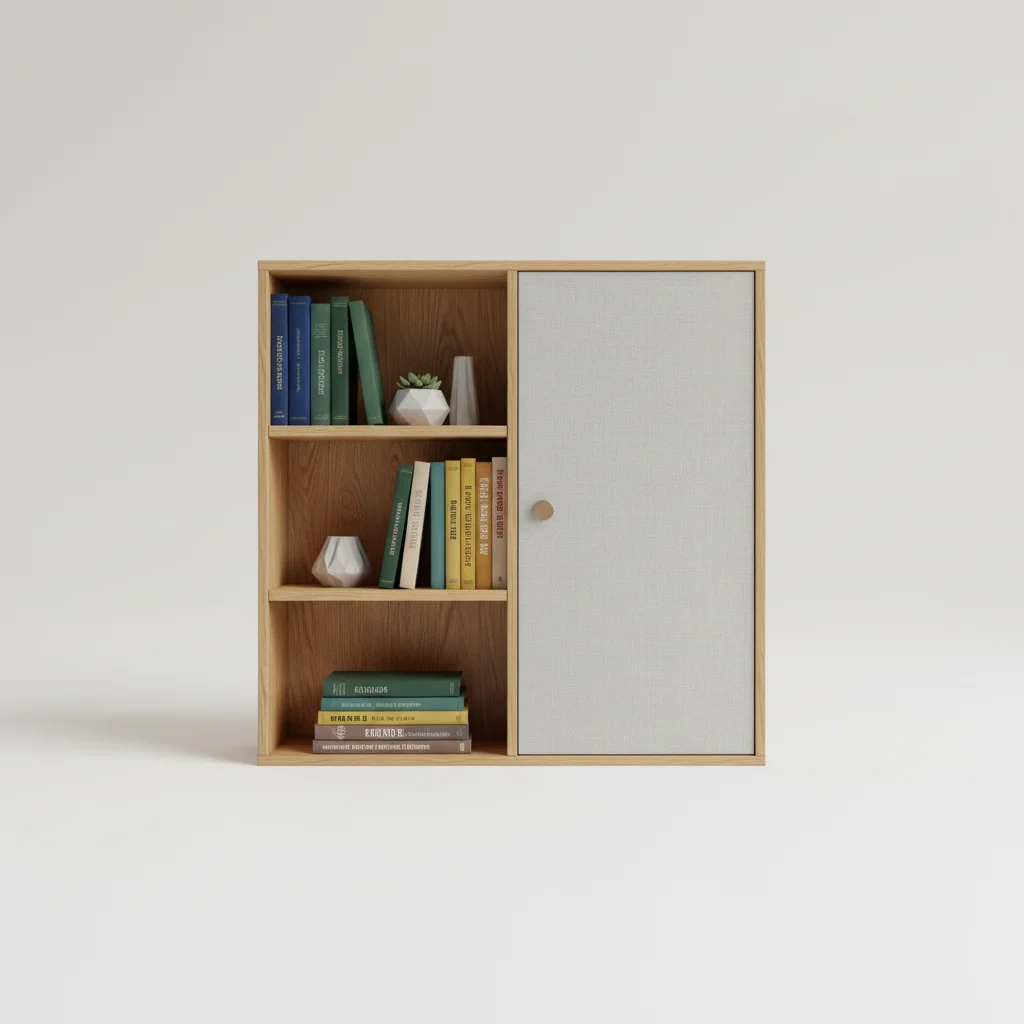
Bookshelf backing is often a crucial, yet overlooked, component for both the structural integrity and aesthetic appeal of your shelving unit. While some minimalist designs intentionally omit a back panel, a well-designed backing provides essential stability, prevents items from falling behind the unit, and can significantly enhance the overall look of your bookshelf. There are typically three main types of bookshelf backing: thin fiberboard, solid wood, and open-back designs.
The Structural Benefits of Bookshelf Backing
A bookshelf’s backing plays a vital role in its stability, especially for taller or wider units. It acts as a shear panel, preventing the bookshelf from racking or wobbling from side to side. Without a proper back, the frame of the bookshelf relies solely on the strength of its joints, which can weaken over time, particularly with heavy loads. This added rigidity is especially important if you plan to store a substantial collection of books or other weighty items. For units that are not anchored to a wall, a sturdy backing is even more critical for safety.
Beyond preventing lateral movement, the backing also helps to distribute the weight of the contents more evenly across the frame. This reduces stress on individual shelves and uprights, prolonging the life of your furniture. Consider the difference between a simple frame and a box; the latter is inherently more stable due to its enclosed structure. The backing essentially completes this box-like structure for each section of your bookshelf.
Aesthetic Impact and Design Versatility
From a design perspective, bookshelf backing offers immense versatility. It can provide a clean, finished look, hiding the wall behind and creating a cohesive backdrop for your displayed items. You can choose a backing that matches the bookshelf’s material for a seamless appearance, or opt for a contrasting color or texture to make your collection pop. For instance, a dark backing can make lighter books and decor stand out, while a mirrored backing can add depth and reflect light, making a room feel larger.
Open-back bookshelves, while popular for their airy feel, can sometimes expose an unsightly wall or create a cluttered look if the items behind are not carefully curated. A backing allows for a more controlled display environment, ensuring that your focus remains on the items on the shelves. It also prevents smaller items from accidentally slipping through gaps and getting lost behind the unit.
Practical Advantages for Organization and Protection
|
Our Picks for the Best Book Shelf in 2026
As an Amazon Associate I earn from qualifying purchases.
|
||
| Num | Product | Action |
|---|---|---|
| 1 | VASAGLE CUSTOS Collection - Bookshelf, 5-Tier Bookcase, Book Shelf, Open Storage Shelf, 9.4 x 23.6 x 52.8 Inches, for Living Room, Home Office, Dinning Room, Cloud White ULBC165T14 |

|
| 2 | VASAGLE CUSTOS Collection - Bookshelf, 6-Tier Bookcase, Book Shelf, Open Storage Shelf, 9.4 x 23.6 x 63.3 Inches, for Living Room, Home Office, Dinning Room, Cloud White ULBC166T14 |
|
| 3 | Furinno JAYA Book Shelf, 5-Tier Bookshelf, Bookcase with Adjustable Shelves, 9.5" x 24.5" x 71.2", for Organization and Storage, for Living Room, Bedroom, Home Office, Blackwood |
|
| 4 | Mavivegue Bookcase, 18-Cube Extra Large Book Shelf, DIY Cube Storage Organizer for Bedroom, Living Room, Home Office - Black |
|
| 5 | NUMENN 5 Tier Bookshelf, Tall Bookcase Shelf Storage Organizer, Modern Book Shelf for Bedroom, Living Room and Home Office, Vintage |
|
| 6 | DUMOS 5 Tiers Bookshelf, Classical Book Shelf, Tall Display Shelves in Living Room/Home/Office, Storage Organizer for CDs/Books/Movies, Modern Black |
|
| 7 | VASAGLE Bookshelf, Tree-Shaped Bookcase with 13 Storage Shelves, Rounded Corners, 9.8”D x 33.9”W x 55.1”H, Rustic Brown ULBC67BXV1 |
|
| 8 | NUMENN Triple Column 5 Tier Bookshelf, Bookcase with 14 Open Display Shelves, Adjustable Rustic Industrial Style Book Shelves, Modern Bookshelves for Bedroom, Living Room and Home Office, Vintage |
|
| 9 | TVU 5-Tier Wooden Bookshelf, 65 Inch Tall Bookshelf with Storage, Floor Standing Modern Style Display Bookcase for Living Room, Office, Study Room, Entryway, Brown |
|
| 10 | NUMENN Bookshelf, 5 Tier Bookshelves, Home Office Bookcase Shelf Storage Organizer, Free Standing Storage Shelving Unit for Bedroom, Living Room and Home Office, Vintage |
|
Beyond stability and aesthetics, bookshelf backing offers several practical advantages. It prevents books and other items from pushing too far back and falling off the rear of the shelf, which can be particularly annoying with deep shelves. This keeps your collection neatly aligned and accessible. Furthermore, a solid backing can offer a degree of protection against dust and debris accumulating on the back of your items, especially if the bookshelf is placed against an exterior wall or in a high-traffic area.
For those who live in older homes or areas with pest concerns, a solid backing can also act as a barrier, preventing insects or rodents from accessing the back of your shelves and potentially damaging your books or other stored goods. It creates a more enclosed environment, which can be beneficial for preserving delicate items.
- Prevents items from falling behind the unit.
- Adds significant structural rigidity and prevents wobbling.
- Offers a clean, finished aesthetic backdrop for displays.
- Protects against dust accumulation on the back of items.
- Can act as a barrier against pests in some environments.
Choosing the Right Backing for Your Bookshelf
When selecting a bookshelf, consider the type of backing that best suits your needs. Thin fiberboard backings are common in budget-friendly options and provide basic stability and a finished look. They are typically nailed or stapled into place. Solid wood or plywood backings offer superior durability and are often found in higher-quality furniture. These provide maximum rigidity and can withstand more wear and tear.
For those who prefer an open-back design, ensure the bookshelf’s frame is robust enough to compensate for the lack of a back panel. These often feature thicker uprights and cross-bracing to maintain stability. If you’re considering a DIY project, adding a custom backing, perhaps with wallpaper or fabric, can be an excellent way to personalize an existing open-back unit or enhance a basic one. Always ensure the backing is securely attached to prevent it from bowing or detaching over time.
