Choosing the perfect bookshelf for your home is more than just a storage decision; it’s about defining the aesthetics, durability, and functionality of your living space. As the centerpiece for your treasured books and décor, a bookshelf should seamlessly blend with your interior design while standing the test of time. This guide delves into the timeless debate of metal versus wood bookshelves, exploring their unique characteristics, benefits, and drawbacks to help you make an informed choice for 2026 and beyond.
Popular Bookshelf Types
Bookshelves come in a variety of forms, each offering distinct advantages depending on your space and needs. Understanding these types, and how different materials lend themselves to them, is crucial.
Wall-Mounted Bookshelves
|
Our Picks for the Best Book Shelf in 2026
As an Amazon Associate I earn from qualifying purchases.
|
||
| Num | Product | Action |
|---|---|---|
| 1 | Mavivegue Bookcase, 18-Cube Extra Large Book Shelf, DIY Cube Storage Organizer for Bedroom, Living Room, Home Office - Black |

|
| 2 | Furinno JAYA Book Shelf, 5-Tier Bookshelf, Bookcase with Adjustable Shelves, 9.5" x 24.5" x 71.2", for Organization and Storage, for Living Room, Bedroom, Home Office, Blackwood |
|
| 3 | NUMENN Bookshelf, 5 Tier Bookshelves, Home Office Bookcase Shelf Storage Organizer, Free Standing Storage Shelving Unit for Bedroom, Living Room and Home Office, Vintage |
|
| 4 | NUMENN 5 Tier Bookshelf, Tall Bookcase Shelf Storage Organizer, Modern Book Shelf for Bedroom, Living Room and Home Office, Vintage |
|
| 5 | VASAGLE CUSTOS Collection - Bookshelf, 5-Tier Bookcase, Book Shelf, Open Storage Shelf, 9.4 x 23.6 x 52.8 Inches, for Living Room, Home Office, Dinning Room, Cloud White ULBC165T14 |
|
| 6 | TVU 5-Tier Wooden Bookshelf, 65 Inch Tall Bookshelf with Storage, Floor Standing Modern Style Display Bookcase for Living Room, Office, Study Room, Entryway, Brown |
|
| 7 | VASAGLE CUSTOS Collection - Bookshelf, 6-Tier Bookcase, Book Shelf, Open Storage Shelf, 9.4 x 23.6 x 63.3 Inches, for Living Room, Home Office, Dinning Room, Cloud White ULBC166T14 |
|
| 8 | VASAGLE Bookshelf, Tree-Shaped Bookcase with 13 Storage Shelves, Rounded Corners, 9.8”D x 33.9”W x 55.1”H, Rustic Brown ULBC67BXV1 |
|
| 9 | DUMOS 5 Tiers Bookshelf, Classical Book Shelf, Tall Display Shelves in Living Room/Home/Office, Storage Organizer for CDs/Books/Movies, Modern Black |
|
| 10 | NUMENN Triple Column 5 Tier Bookshelf, Bookcase with 14 Open Display Shelves, Adjustable Rustic Industrial Style Book Shelves, Modern Bookshelves for Bedroom, Living Room and Home Office, Vintage |
|
Wall-mounted bookshelves are an excellent solution for maximizing floor space and creating a minimalist, airy look in any room. They offer a unique opportunity to integrate storage directly into your wall design.
These shelves are particularly versatile, whether crafted from wood or metal. Wooden wall-mounted shelves can bring a classic, natural warmth to a room, often appearing as floating shelves that highlight their contents. Metal wall-mounted shelves, on the other hand, provide a sleek, industrial, or contemporary aesthetic, often featuring thinner profiles that maintain strength without visual bulk. The primary advantage of wall-mounted units is their ability to free up floor space, making rooms feel larger and less cluttered, and offering customizable arrangements. However, installation typically requires drilling into walls, and their weight capacity is dependent on proper anchoring and wall type. Maintaining them involves regular dusting and checking the mounting hardware for security.
Freestanding Bookshelves
Freestanding bookshelves are perhaps the most common and versatile type, offering immediate storage solutions that can be moved and rearranged as needed. They are adaptable to various room sizes and design preferences.
These units are available in a vast array of designs and materials. Solid wood freestanding bookshelves offer unparalleled warmth and a classic, often luxurious feel, making them ideal for traditional or rustic interiors. They are robust but can be quite heavy and prone to sagging under extreme loads over time if not adequately supported. Metal freestanding bookshelves excel in durability and weight capacity, perfectly suiting modern, industrial, or minimalist décors with their clean lines and often slender frames. They are generally lighter and easier to move than hardwood units. Mixed material designs, combining metal frames with wooden shelves, offer a blend of both aesthetics and strength, providing a contemporary yet warm appeal.
Corner Bookshelves
Corner bookshelves are ingenious space-saving solutions, designed to utilize often-underestimated corner areas, transforming them into functional storage or display zones.
These specialized units efficiently tuck into room corners, maximizing vertical storage without encroaching on central floor space. Wooden corner bookshelves can soften the sharp angles of a room, offering a cozy and integrated look, often available in classic or transitional styles. Metal corner bookshelves provide a modern, edgy touch, perfect for industrial or contemporary settings where their open designs can enhance the feeling of space. They are excellent for small apartments or rooms where every inch counts. When selecting a corner unit, it’s vital to measure your corner dimensions accurately and consider the overall room style to ensure it complements the existing décor. Installation is usually straightforward for freestanding models, while wall-mounted corner units offer a more permanent fixture.
Comparing Bookshelf Types
The choice between metal and wood, and among different bookshelf types, hinges on a balance of practical needs and aesthetic desires. Here’s a detailed comparison to help clarify the differences.
Detailed Comparison Table
| Criteria | Wall-Mounted (Wood) | Wall-Mounted (Metal) | Freestanding (Wood) | Freestanding (Metal) | Corner (Wood) | Corner (Metal) |
|---|---|---|---|---|---|---|
| Price | Moderate to High | Moderate to High | Moderate to Very High | Low to Moderate | Moderate to High | Low to Moderate |
| Durability | Good (if properly installed) | Excellent (rust-resistant) | Good (can warp/scratch) | Excellent (impact/wear) | Good (susceptible to moisture) | Excellent (resists dents) |
| Aesthetics | Warm, natural, minimalist | Sleek, industrial, modern | Classic, warm, luxurious | Industrial, contemporary, clean | Cozy, traditional | Modern, space-efficient |
| Weight Capacity | Varies by anchoring/wall | High (thin profiles possible) | High (can sag/warp over time) | Very High (no sagging) | Moderate to High | High |
| Ease of Install | Moderate (drilling needed) | Moderate (drilling needed) | Easy (assembly required) | Easy (often lighter) | Easy (assembly) | Easy (assembly, often modular) |
| Maintenance | Dust, polish, check anchors | Dust, check for rust, wipe | Dust, polish, protect from moisture, repair scratches | Dust, wipe clean | Dust, polish, protect from moisture | Dust, wipe clean |
Bookshelf Buying Guide
Navigating the vast selection of bookshelves requires a thoughtful approach, focusing on your specific requirements and how different materials and designs can meet them.
Determine Usage Needs
Before you even consider materials or styles, clarifying your primary needs will streamline your decision-making process. Think about the volume and weight of items you plan to store. A large collection of heavy textbooks demands a different type of shelf than a few decorative pieces. Consider the available space: measure the height, width, and depth to ensure your chosen unit fits perfectly without overwhelming the room. Finally, your existing interior design style—be it rustic, minimalist, industrial, or traditional—should guide your aesthetic choices, ensuring the new bookshelf complements rather than clashes with your home’s ambiance.
Material Selection
The material of your bookshelf is paramount, dictating not only its look but also its longevity, strength, and maintenance requirements. Each material offers a unique set of advantages and disadvantages to consider.
- Natural Wood: Beloved for its timeless appeal and inherent warmth, natural wood like oak, walnut, or mahogany brings a sense of luxury and tradition.
- Pros: Exceptionally beautiful, offers a classic aesthetic, customizable (stain, paint), can be an heirloom piece.
- Cons: Can be susceptible to warping, cracking, termites, and moisture damage if not properly treated or maintained. High-quality wood is often more expensive and heavier, making it difficult to move. It may also sag over time under heavy loads.
- Engineered Wood: Options such as MDF, particleboard, or plywood offer a more budget-friendly alternative to solid wood, often finished with veneers to mimic natural wood.
- Pros: More affordable, lighter than hardwood, can be aesthetically pleasing with various finishes.
- Cons: Less durable than solid wood or metal, more prone to damage from moisture and impact, and typically has a lower weight capacity. Can contain adhesives that release VOCs.
- Metal: Gaining popularity for its modern aesthetic and superior strength, metal bookshelves are often made from steel, iron, or aluminum.
- Pros: Extremely durable, high weight capacity (ideal for heavy books), resistant to pests, moisture, and fire. Requires minimal maintenance and offers a sleek, industrial, or contemporary look. Many models are lighter and easier to move than wooden counterparts. Metal is also more eco-friendly if made from recycled materials.
- Cons: Can sometimes appear cold or industrial, which may not suit all décor styles. Some users report a “clanging” sound with metal doors, though this is less common with open shelving units. Upfront cost for high-quality metal can be comparable to wood, though more affordable options are abundant.
Style and Size Selection
The style and size of your bookshelf significantly impact both its functionality and how it integrates into your living space.
- Freestanding Bookshelves: These are versatile and available in various dimensions. Standard sizes are common, but many manufacturers offer customizable options for width, height, and depth, allowing you to tailor the unit to a specific wall or collection. Consider units with adjustable shelves for maximum flexibility.
- Wall-Mounted Bookshelves: When choosing wall-mounted shelves, precision is key. Measure the available wall space carefully, both horizontally and vertically. Consider the visual impact: a series of short, wide shelves can create a different look than tall, narrow ones. The strength of your wall material (drywall, plaster, brick) will also influence the maximum size and weight capacity you can safely install.
- Corner Bookshelves: Designed specifically to fit into a room’s corner, these optimize often-unused space. Ensure you measure the corner carefully to pick a unit that fits snugly. They are ideal for creating a small reading nook or adding a decorative touch without consuming prime real estate. Both L-shaped and triangular designs are common, catering to different aesthetic preferences and storage needs.
Budget and Brands
Understanding the market’s price points and reputable brands is essential for making a sound investment in your bookshelf. The price of bookshelves varies widely based on material, size, craftsmanship, and brand reputation.
Typically, engineered wood and some lighter metal designs fall into the lower to moderate price segments, offering functional solutions without a hefty investment. Solid hardwood bookshelves, especially those crafted from premium woods like mahogany or teak, occupy the higher end of the spectrum due to their material cost and artisanal quality. High-grade steel or wrought iron bookshelves can also command a significant price, reflecting their superior durability and design.
When looking for value, consider brands known for their sturdy construction and good customer reviews. While specific brand recommendations can vary by region and availability, well-established furniture retailers often carry a range of options that balance cost and quality. To find good value, look for sales, consider modular systems that allow for expansion over time, and always check the weight capacity and material specifications to ensure the bookshelf meets your long-term needs.
> “The ideal bookshelf isn’t just about what looks good; it’s about what performs best for your unique lifestyle, balancing aesthetics with the practical demands of your collection.” – Alex Chen, Interior Design Consultant
Top Picks: Suggested Bookshelf Styles
While specific product recommendations can become quickly outdated, understanding popular and effective styles based on material types can help guide your purchase. Here are archetypal examples of highly-regarded metal and wood bookshelf designs.
- The Minimalist Metal Étagère: This style features slender metal frames and open shelves, often in powder-coated black or matte gold. Its transparent design minimizes visual clutter, making it perfect for displaying curated collections in modern or industrial spaces. These units typically offer excellent weight capacity and are relatively lightweight, simplifying rearrangement.
- The Classic Solid Wood Ladder Bookshelf: Characterized by its leaning, A-frame design, this wooden bookshelf offers a charming and functional addition to living rooms or home offices. Often crafted from solid oak or acacia, it provides a warm, inviting aesthetic with shelves that gradually deepen towards the bottom. It’s a great choice for adding a touch of traditional or rustic elegance while saving space.
- The Industrial Mixed-Material Bookshelf: Combining robust metal frames with warm wooden shelves, this design strikes a perfect balance between strength and aesthetic appeal. These bookshelves often feature exposed bolts and rustic wood finishes, ideal for loft apartments or contemporary farmhouse styles. They offer high durability and significant weight-bearing capabilities, making them versatile for both decorative items and heavy books.
- The Freestanding Modular Metal Bookshelf System: Highly adaptable, these systems consist of interconnected metal units that can be expanded or reconfigured over time. Available in various heights and widths, they are ideal for growing collections or dynamic spaces. Their metallic finishes lend a clean, futuristic, or utilitarian look, often found in offices or modern urban homes.
- The Scandinavian-Inspired Wooden Wall Unit: Characterized by light-colored woods (like birch or pine) and clean, simple lines, these wall-mounted units offer understated elegance. They are perfect for creating a calm, organized atmosphere in minimalist or Nordic-themed interiors, providing discrete storage and display without dominating the room. Their strength relies on proper wall installation, offering a durable yet aesthetically pleasing solution.
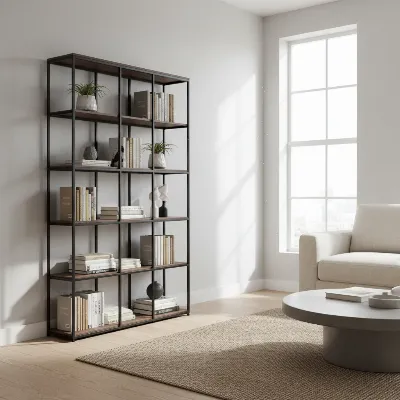 Modern industrial metal bookshelf in a minimalist living room, filled with books and plants
Conclusion
Choosing between a metal and wood bookshelf is a decision that significantly impacts both the functionality and aesthetic of your living space. Metal bookshelves offer superior durability, exceptional weight capacity, and a sleek, modern look, ideal for contemporary or industrial décors, often requiring less maintenance. Conversely, wood bookshelves provide unparalleled warmth, classic elegance, and extensive customization options, perfect for traditional or rustic settings, though they may demand more care against moisture and pests. Ultimately, the best choice in 2026 depends on your specific needs: whether you prioritize raw strength and a modern edge, or timeless beauty and a cozy ambiance.
Which material speaks more to your personal style and practical needs for your next treasured book collection?
Frequently Asked Questions
Is metal or wood better for supporting heavy books?
Metal bookshelves are generally superior for supporting heavy books due to their inherent strength and resistance to sagging or warping under significant loads. Steel and iron, common metals used in bookshelves, do not have grains like wood, making them less prone to snapping or permanent deformation over time, even with a large collection of heavy items.
How does maintenance differ between metal and wood bookshelves?
Metal bookshelves typically require less maintenance; a simple wipe-down with a damp cloth is often sufficient, and rust-resistant finishes are common. Wood bookshelves, however, demand more care, including regular dusting, polishing, and protection from moisture, termites, and scratches, to maintain their appearance and structural integrity over time.
